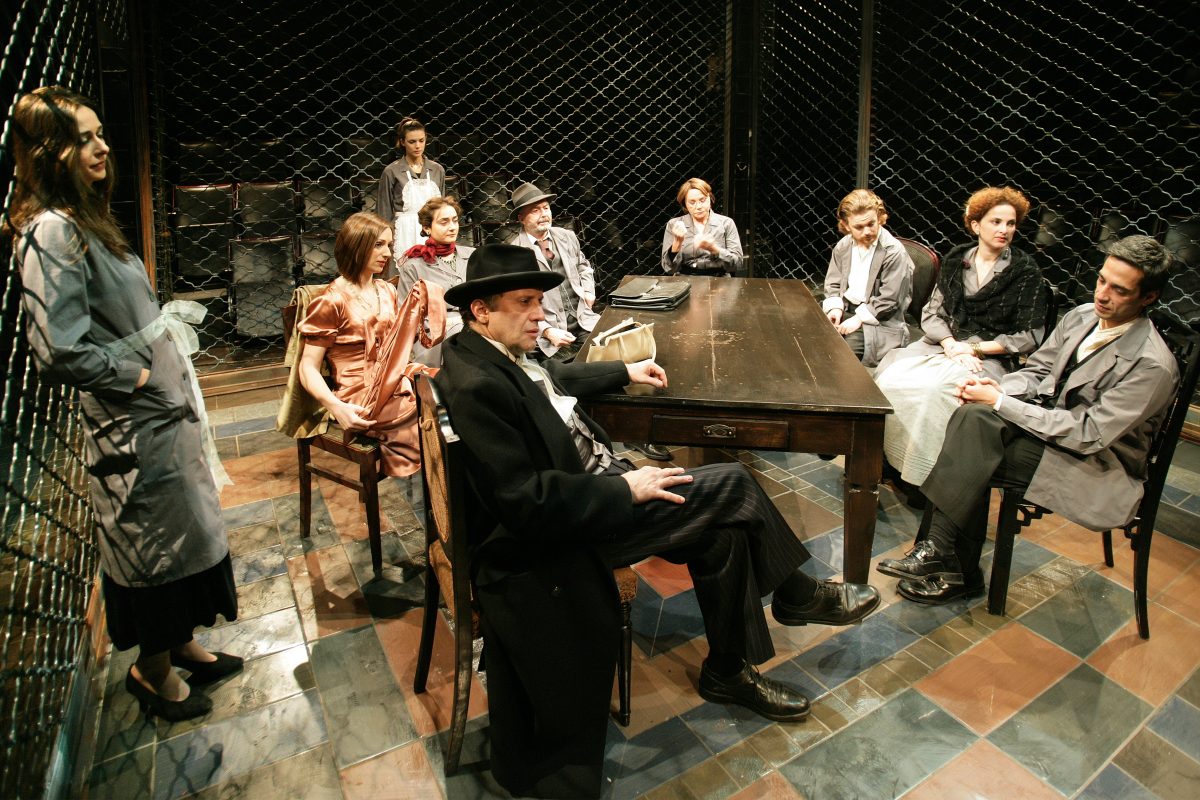

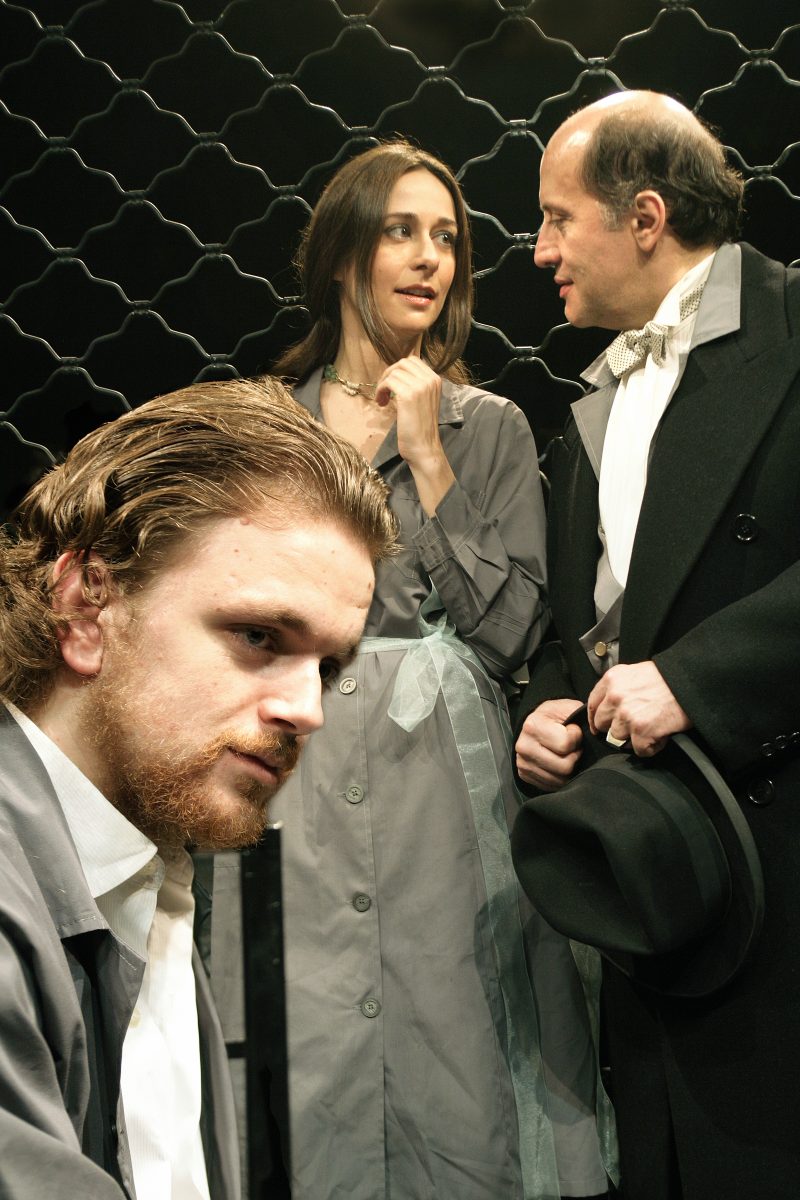
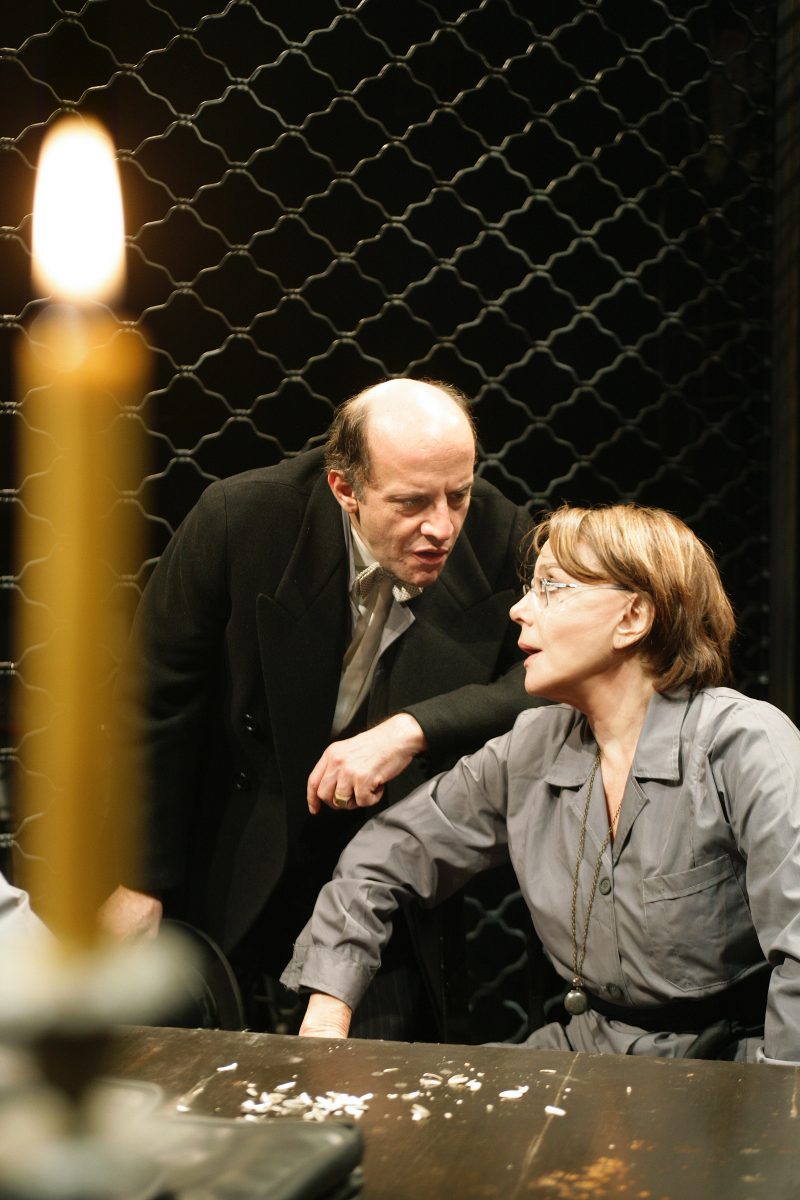
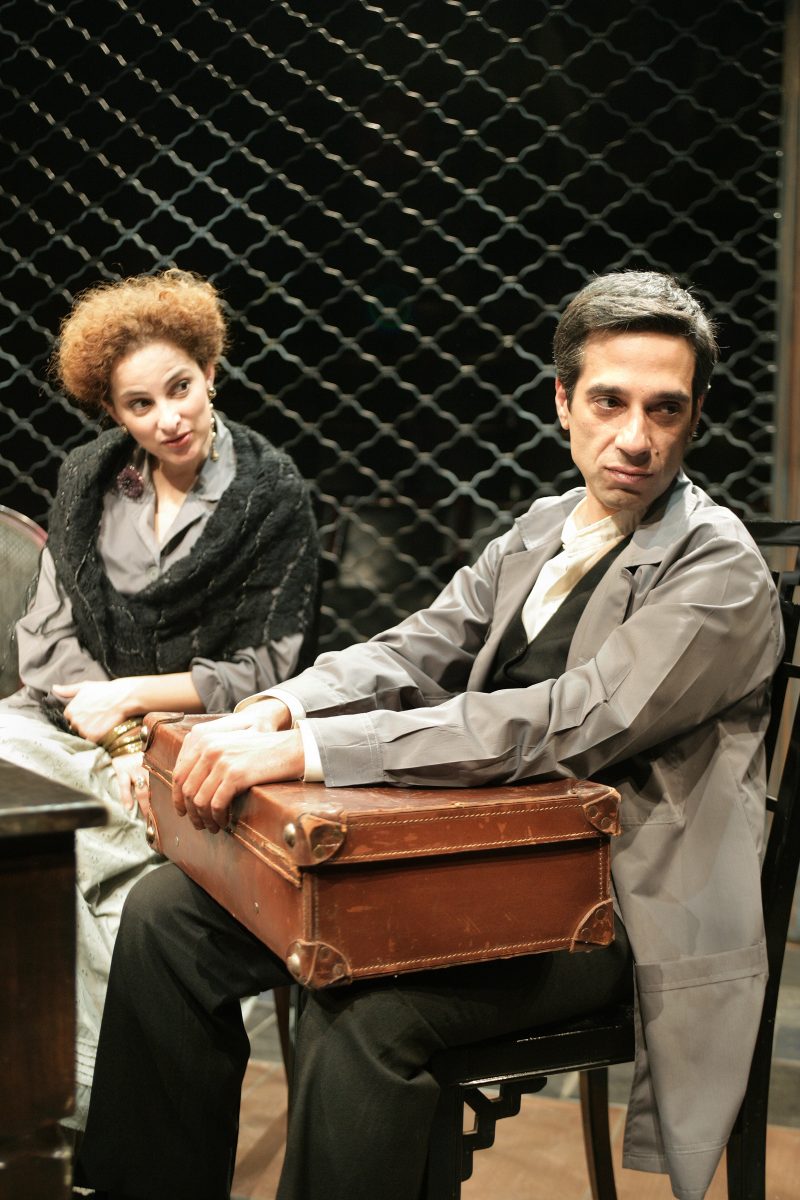
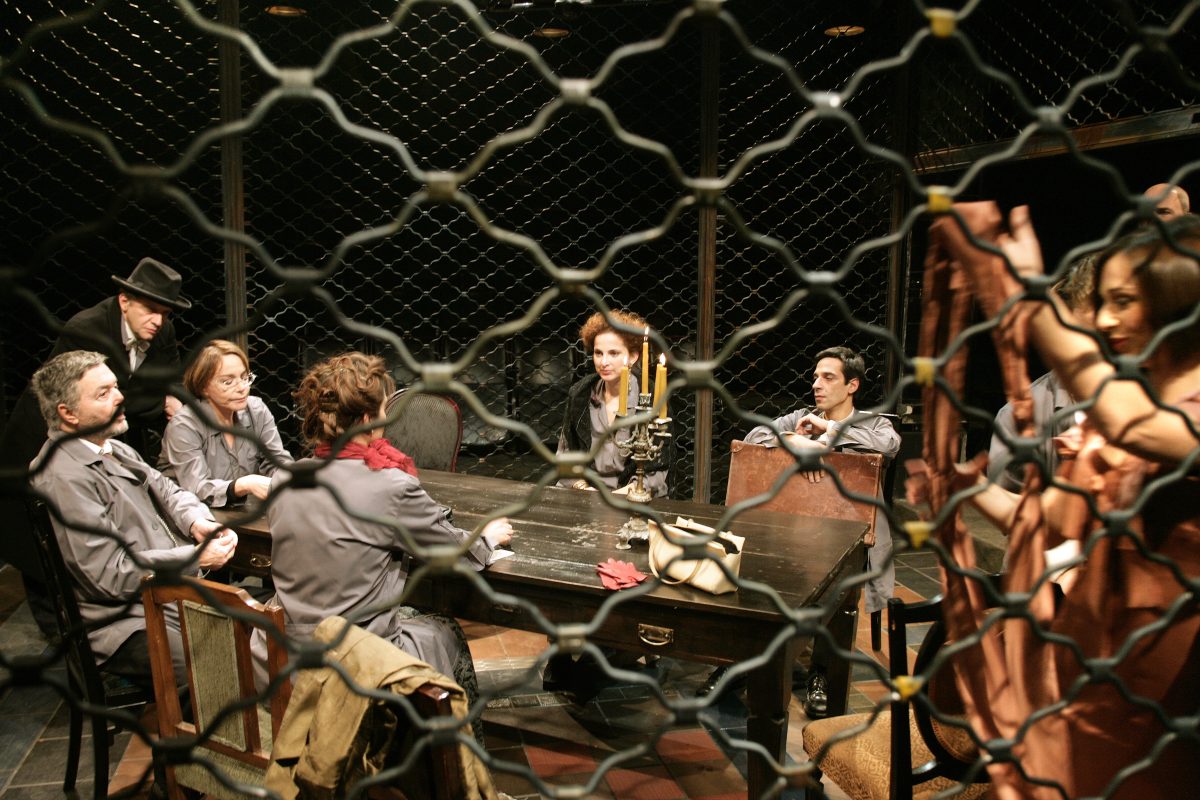

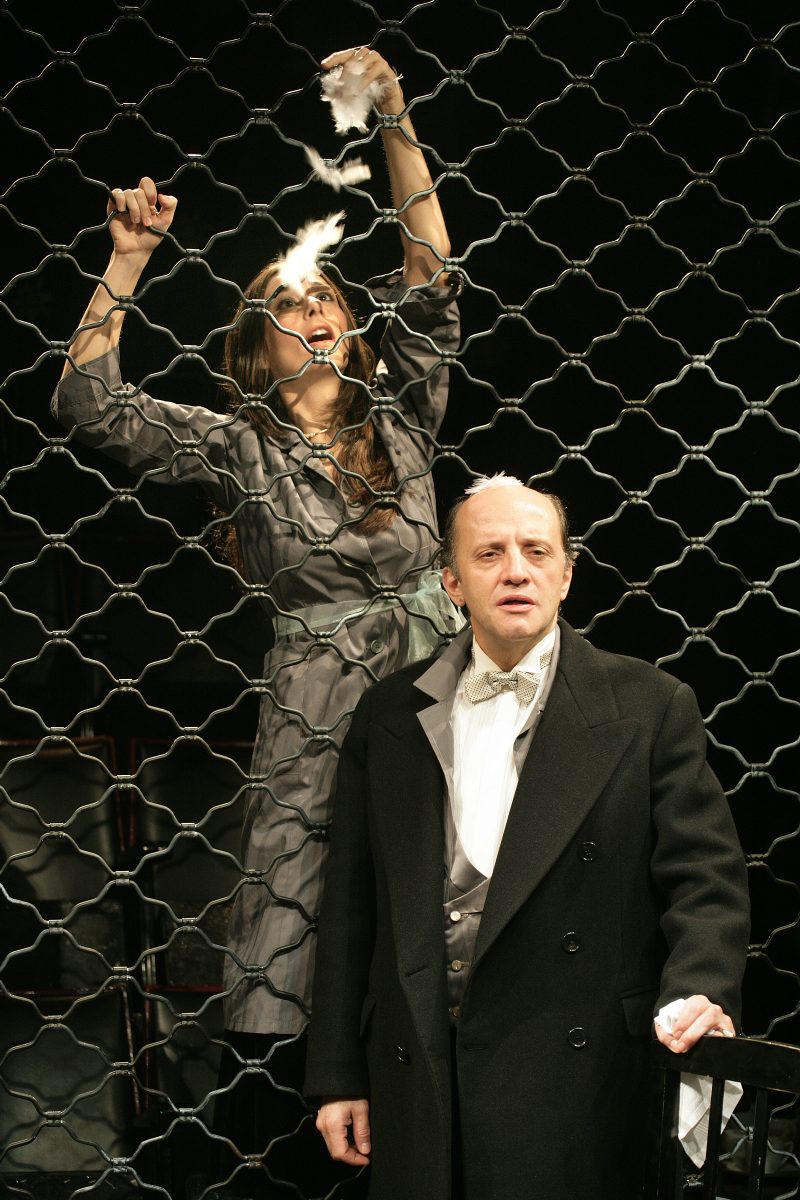
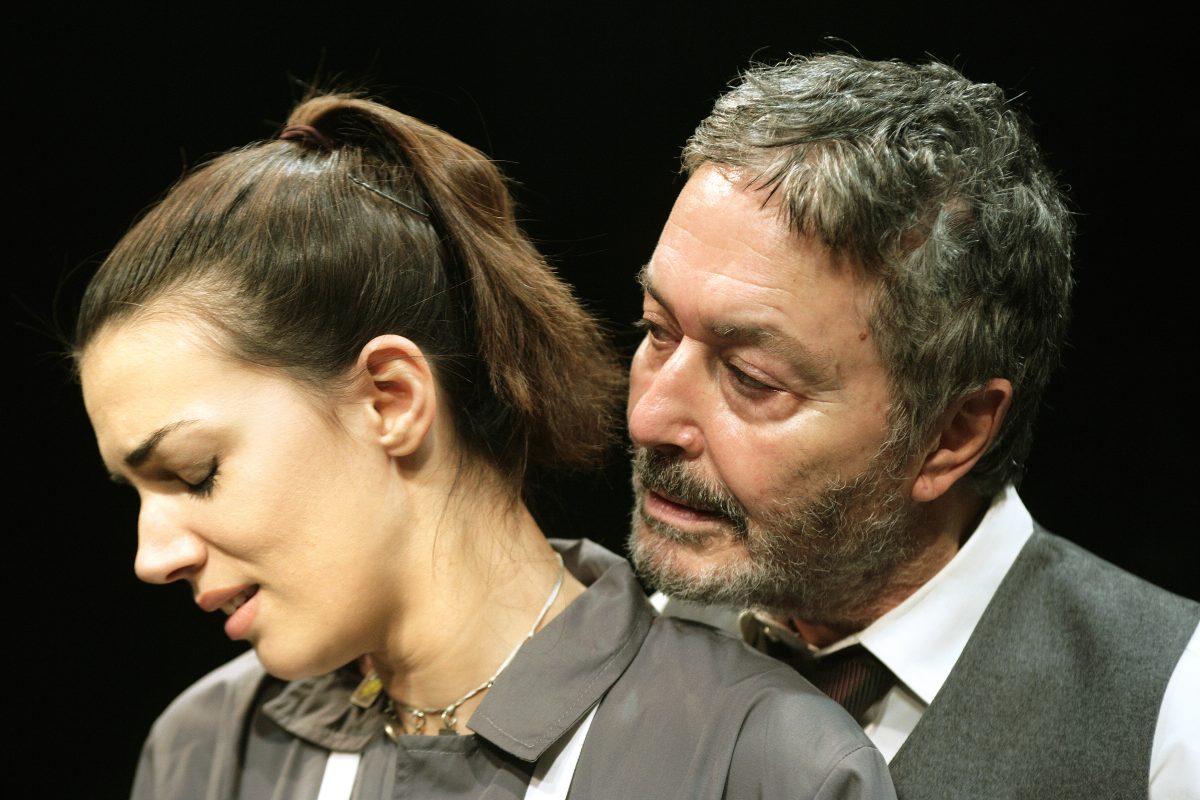

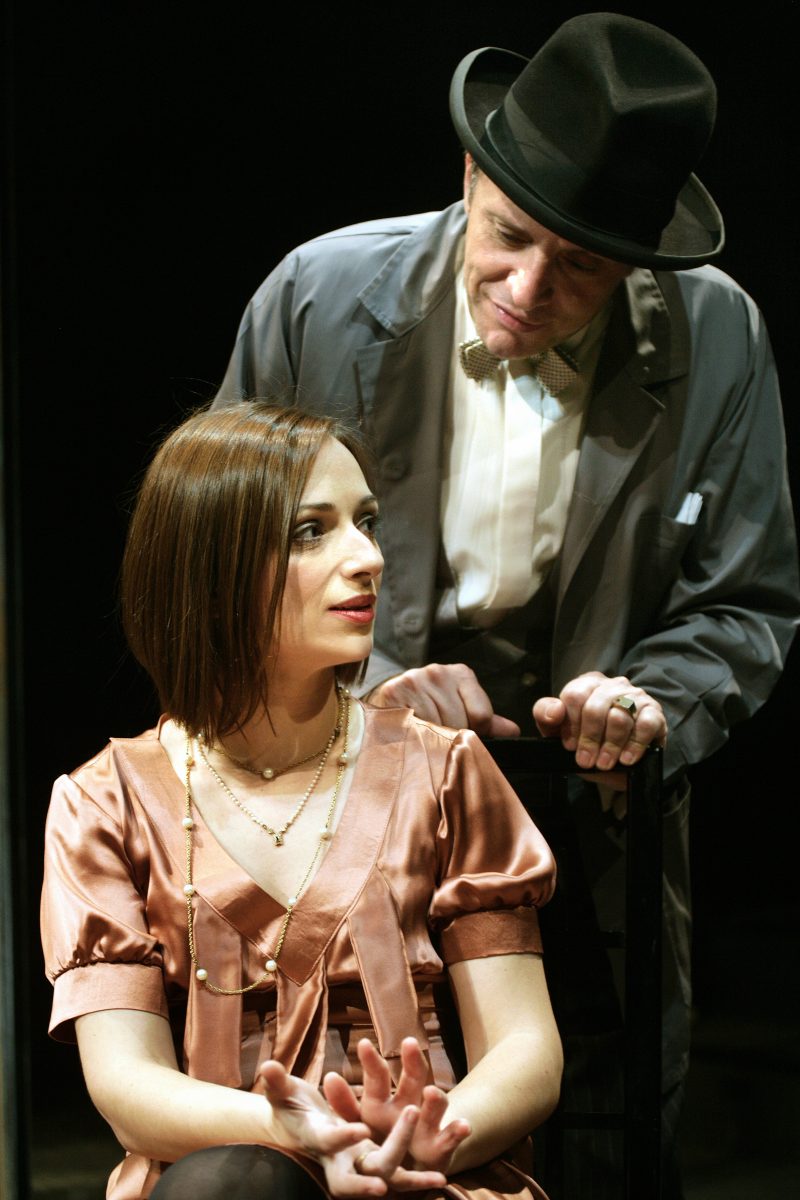
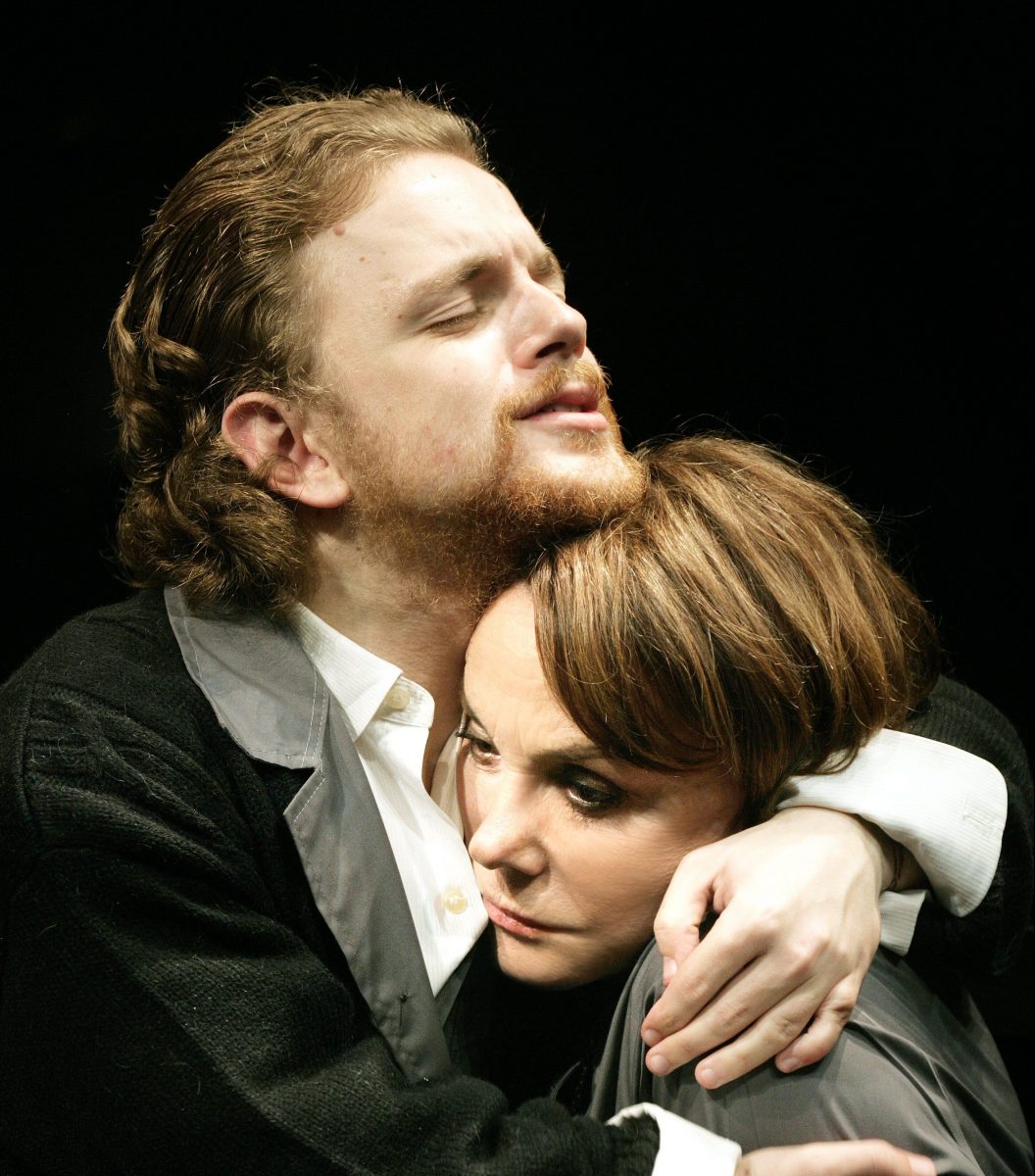

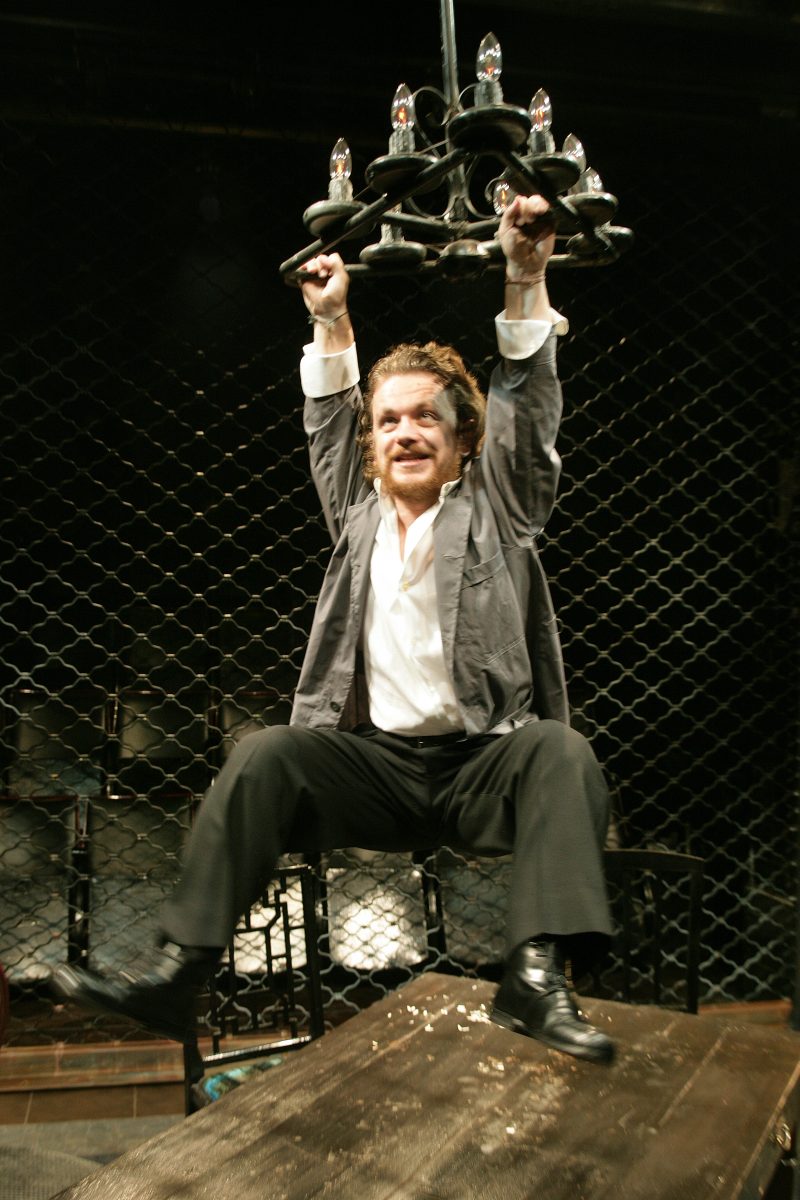
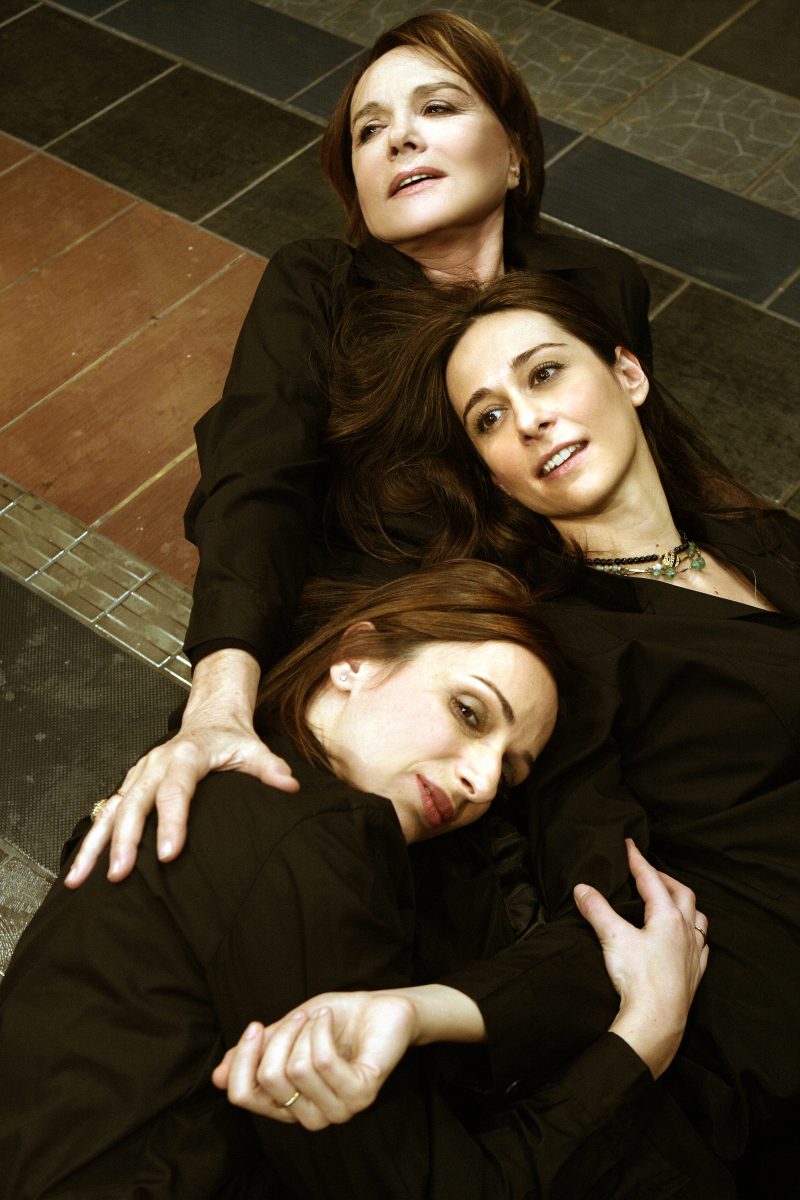
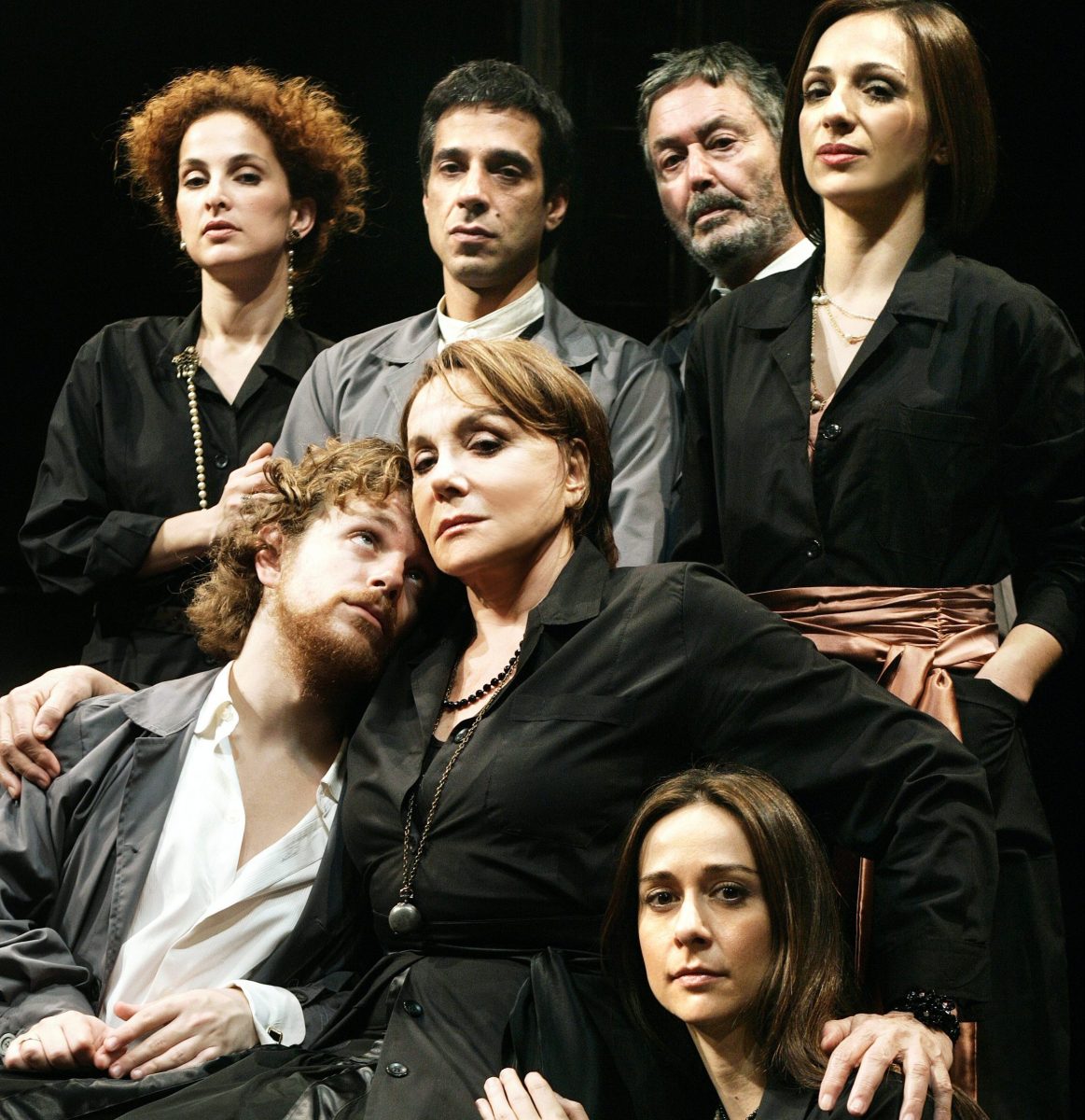


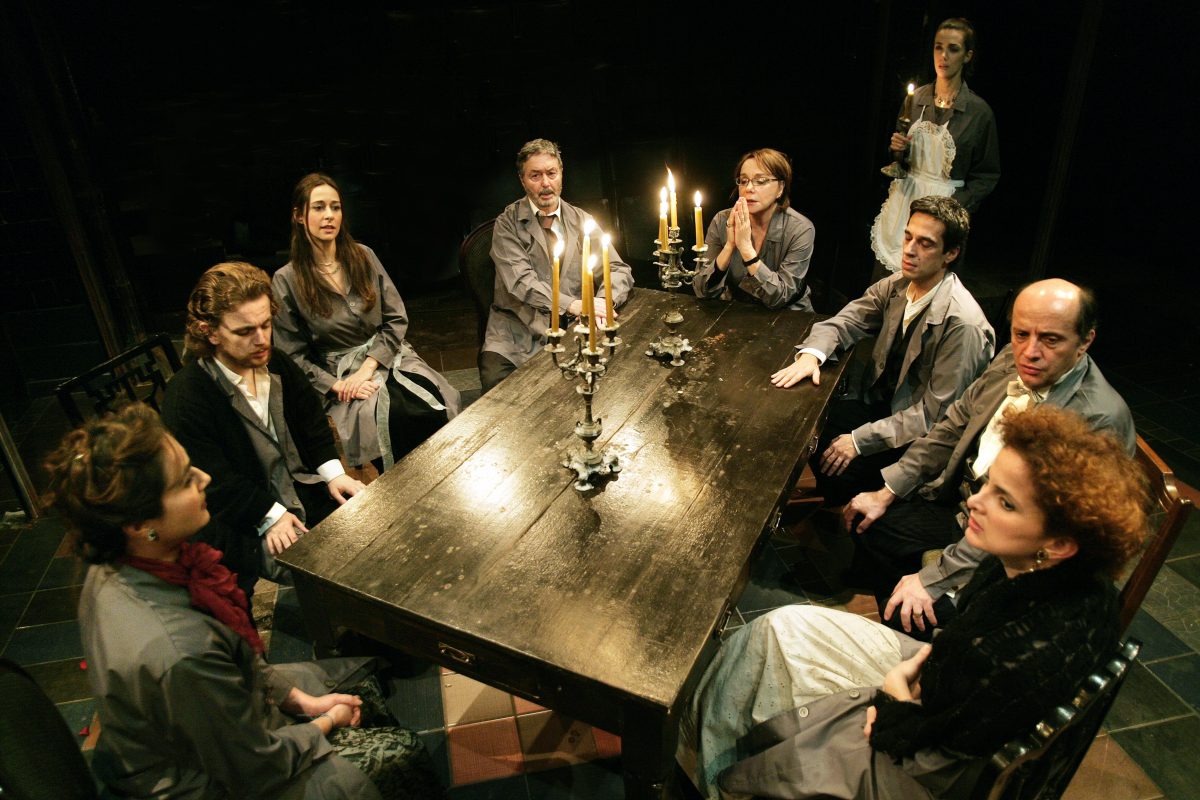
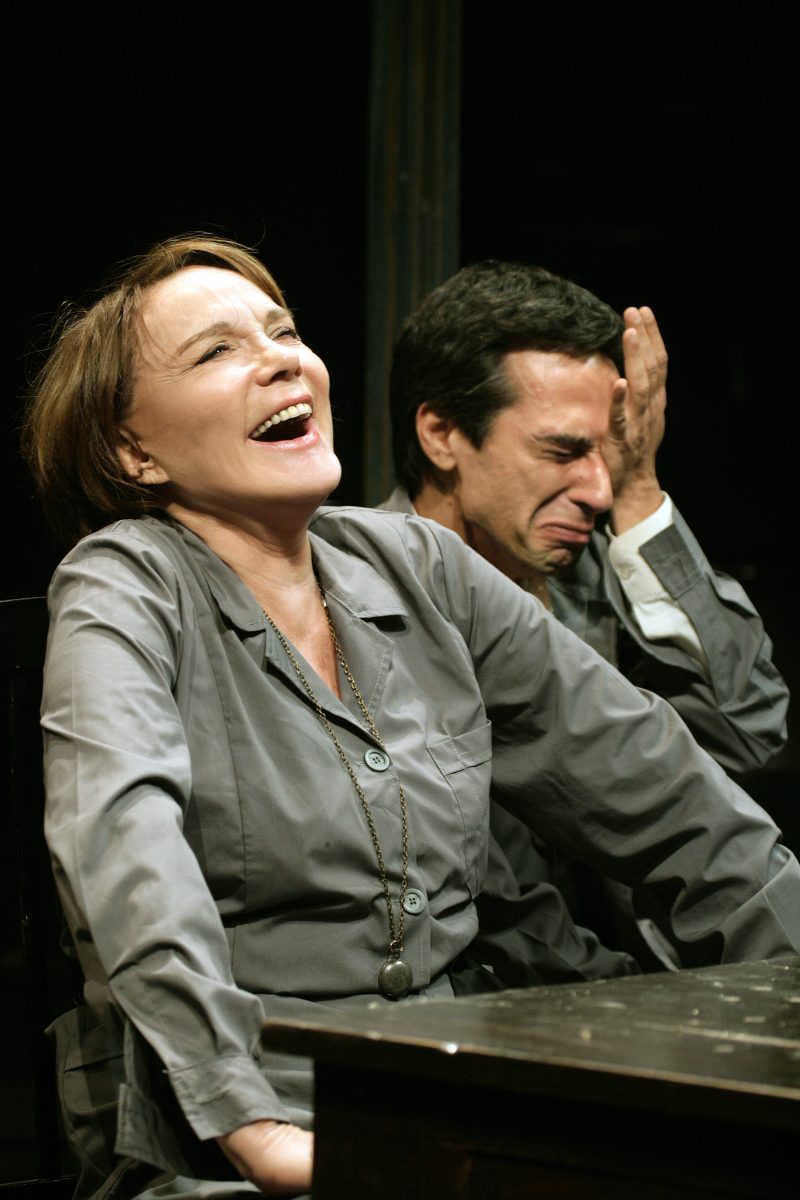
Kefallinias Street Theatre — Stage A
First performance: Wednesday, December 5, 2007
Vassa Zheleznova – versions of a mother
The three-act drama Vassa Zheleznova was written in 1910, exactly five years after the strike at the factories of Petersburg, the mutiny on the battleship Potemkin, and the historical popular uprisings that were drowned in blood by the tsarist regime, marking the countdown to the great political upheaval brought on by the revolution of 1917.
The play premiered on February 21, 1911, in Moscow, and shortly after, on March 13, in St. Petersburg. In the same year, it was distinguished with the Griboyedov Prize.
Vassa Zheleznova, along with the plays The Zykovs (1913) and Counterfeit Money (1913/1926), is among the dramas by Gorky, in which the main protagonist comes from the emerging new bourgeois class of entrepreneurs and merchants, who have rural origins and are self-made. These characters owe their dynamic development to their strong personalities and diligent work. In pursuit of money and guided by a materialistic ethic, they can sacrifice everything in defense of their social position, including their own children. When everything and everyone else is destroyed, these heroes of Gorky stand tall, looking towards their future with optimism.
Vassa is the mother (the subtitle of the play is “The Mother,” a reference to the famous novel of the same name serialized by Gorky in Appleton’s Magazine in 1906) of Anna, Semyon, and Pavel. The well-off family lives off a thirty-year-old business (building materials, firewood, and charcoal), which was created by Zakhar, Vassa’s husband, a peasant who stood out from his generation and managed to rise socially. In the First Act of the play, Zakhar is dying, and Vassa finds herself at an impasse, faced with the massive risk of economic collapse, as her relatives are prepared to withdraw shares of the capital, while the family’s heirs are lazy. Then, at a critical moment, Vassa calls upon her daughter Anna to contribute to the family business. She does not trust anyone, not even Zakhar’s brother, Prokhor, who claims a share of the estate.
In this context, Gorky constructs a well-crafted narrative characterised by intrigue, secrets, passion, death, measured doses of humour, and a lot of suspense. By demythologising the holy family, he speaks in an absolutely realistic manner and, through the fictitious bonds of kinship, discusses the world of the provinces, the old and the new, and focuses on urbanisation, recording the upheavals and social developments of the early 20th century. […]
[…] The second version of the play was completed twenty-five years later, in 1935, and was presented at the Central Theatre of the Red Army. […] Gorky, by then, had become the mouthpiece of the regime. […] In the new Soviet version, some character names remain the same, the family business is still the background, but the relationships between the characters, and especially the plot, have been altered to meet specific standards of morality. On the one hand, the corruption and immorality of pre-revolutionary Russia is severely condemned, and on the other hand, the necessity of the Russian revolution is highlighted. […]
I.V., Vassa Zheleznova – versions of a mother. From the programme of the performance.
Translated by: Chrysa Prokopaki
Directed by: Stathis Livathinos
Assistant Director: Lilly Meleme
Set and Costume Design: Eleni Manolopoulou
Music: Thodoris Abazis
Lighting Design: Alekos Anastasiou
Movement: Cecil Mikroutsikou
Assistant Set & Costume Designer: Dimitra Chiou
Cast:
Vassa Petrovna Zheleznova: Betty Arvaniti
Anna, daughter of Vassa: Maria Kallimani
Semyon, son of Vassa: Dimosthenis Papadopoulos
Pavel, son of Vassa: Elias Kounelas
Natalia, Semyon’s wife: Ginny Papadopoulou
Ludmilla, Pavel’s wife and daughter of Mikhail: Anna Koutsafitiki
Prokhor Zheleznov, brother of Vassa’s husband: Manos Vakousis
Mikhail Vasilyevich, steward: Kostas Galanakis
Dunya, distant relative of Zheleznov: Eleni Ouzounidou
Lipa, maid: Eftychia Giakoumi