
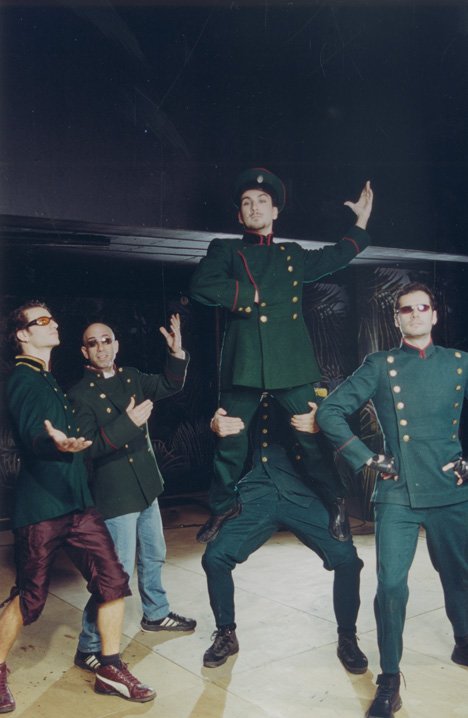
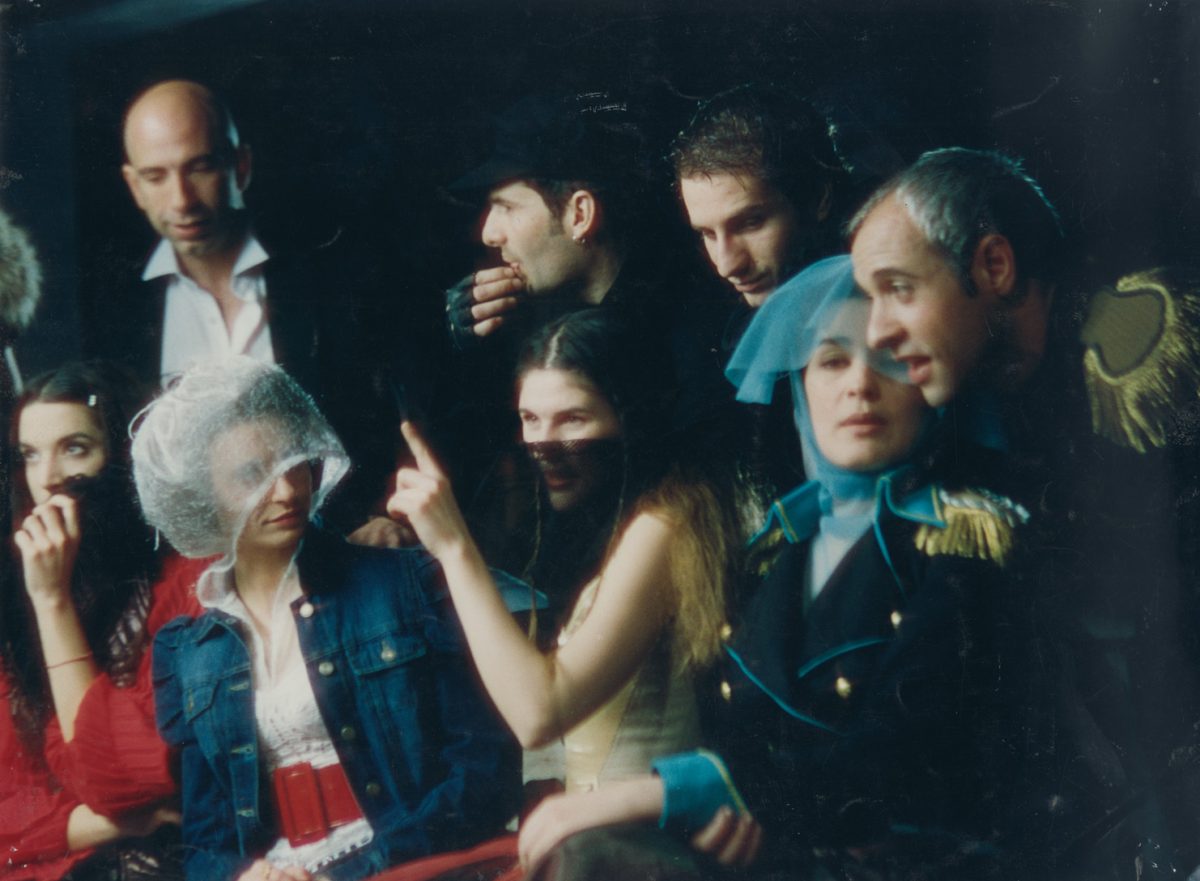
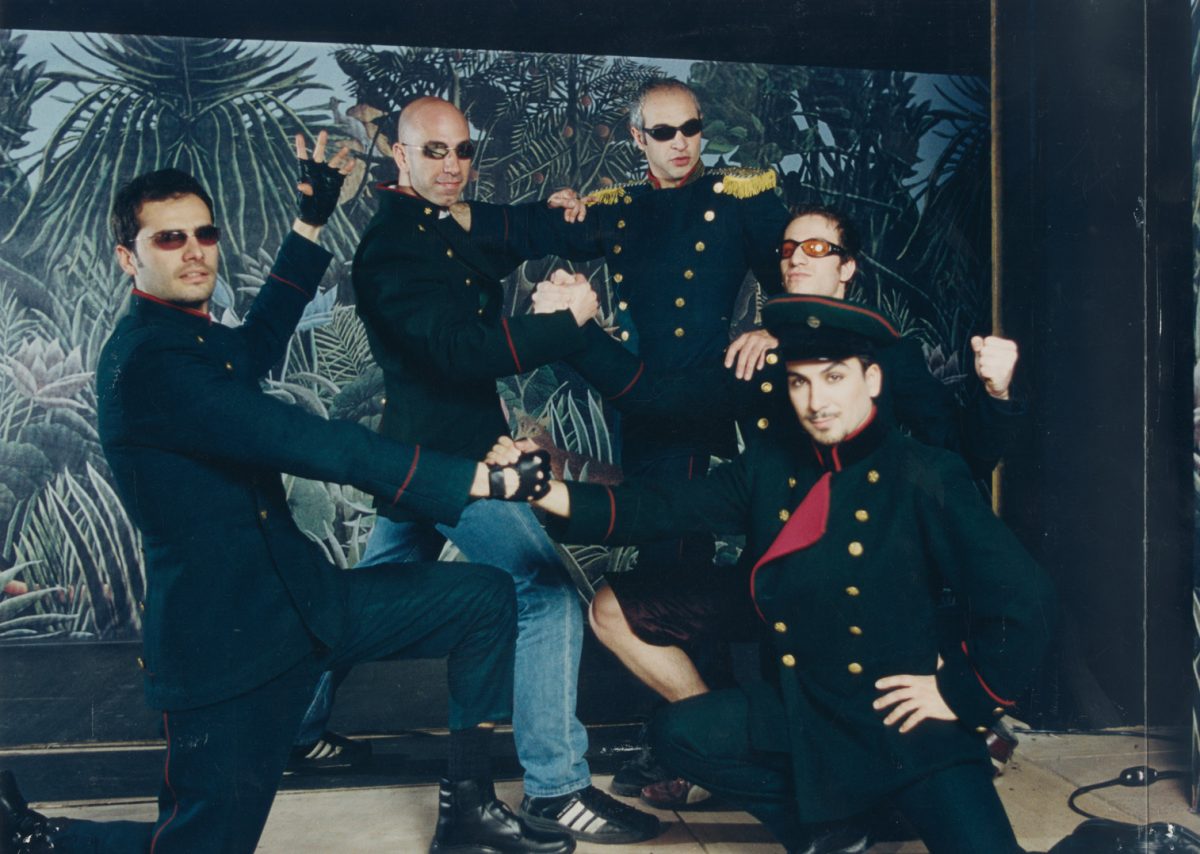
Original run
2001-2002 season
April 5 — April 28, 2002
National Theatre of Greece — Garage
Reprise
2002-2003 season
October 8, 2002 — April 16, 2003
National Theatre of Greece — Garage
[…] What a strange piece! Perhaps the most ambiguous and inexplicable of all Shakespearean creations. Early, almost rudimentary (1593-1594), with charming clumsiness and rapid resolutions, clearly of the moment, it has now come to be regarded, after all the twists and turns experienced by the theatrical art, as a true masterpiece. They say that it is haunted by Shakespeare’s first youthful marriage, overshadowed by the loss of a child. Who could exactly know this enigmatic man—who as one could say, might never have truly existed, like every true poet. One thing is certain: the meaning of this work is as obscure as the face of the great playwright, and as unexplored as the smile of the Mona Lisa! […]
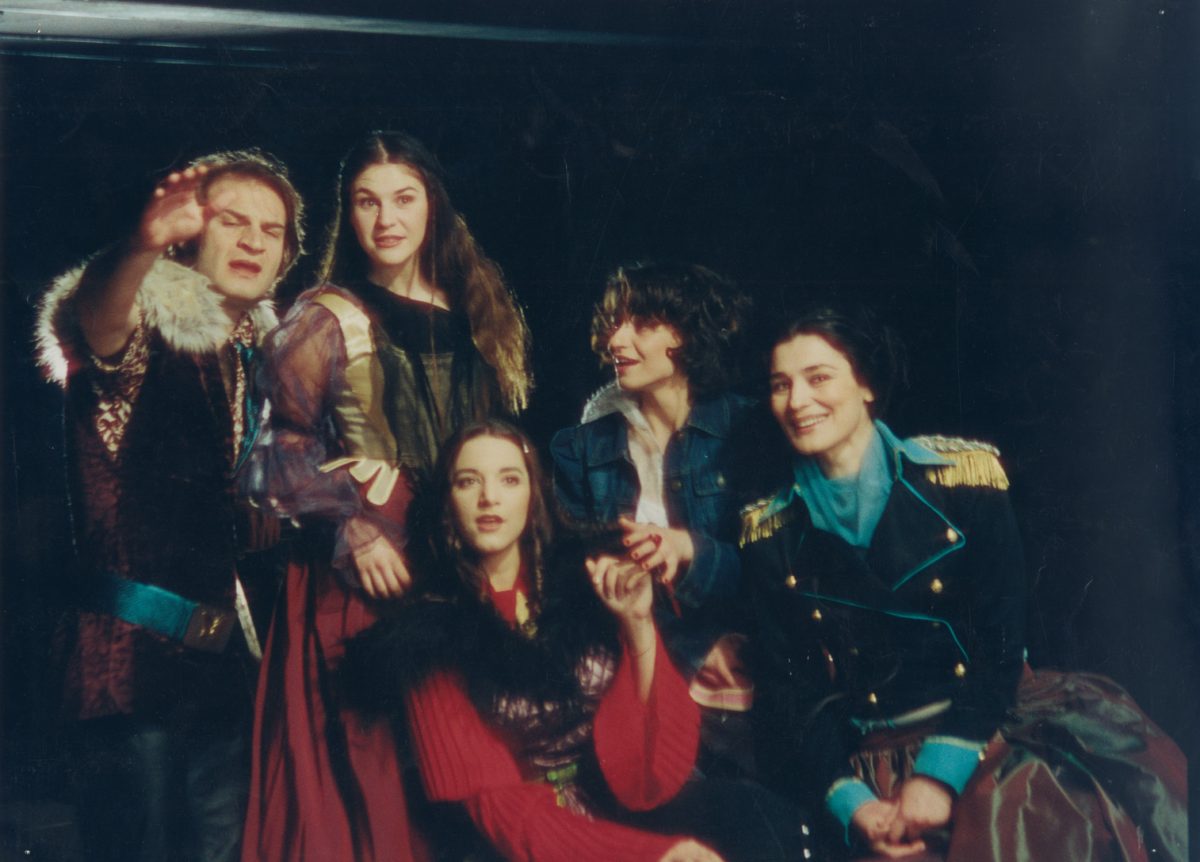
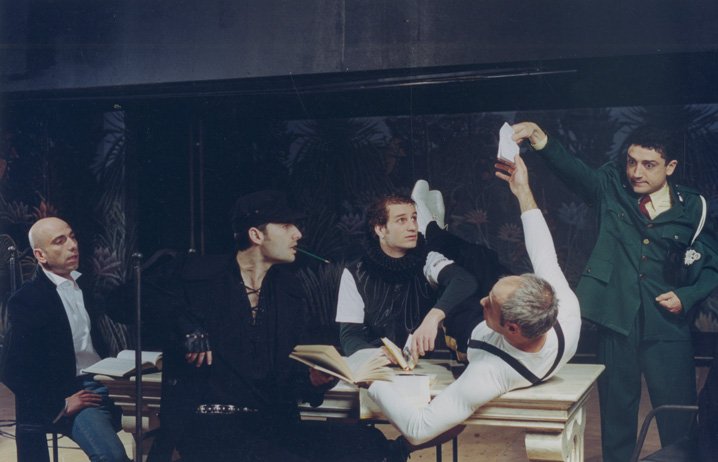
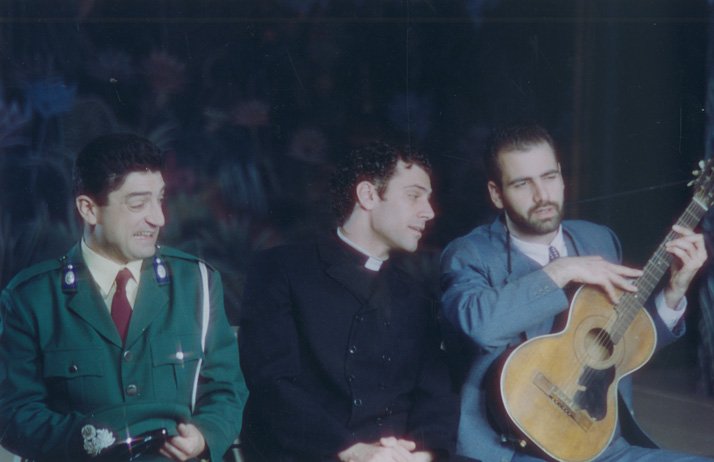
[…] This tragicomedy evokes a sense of solitude. Girls and boys remain isolated, trapped in the roles assigned to them by nature and society. Uncomfortable. The men, a ludicrous group, who, in their adolescent state of mind, seek to avoid love in favour of studying and leading virtuous “Platonic” lives, somewhat like Hippolytus turning his back on Aphrodite. The girls arrive, an otherworldly troupe, with a conspicuous request: They play the game of erotic temptation. Something is about to happen. And suddenly everything ends. All is extinguished. The game of eroticism is over. But was it doomed from the start? Perhaps every erotic game, whether thwarted or fulfilled, is ultimately a wasted effort: Everything is predetermined and our solitude, dictated by our gender and choices, can only briefly be disrupted by a dazzling illusion that life inevitably contradicts, revealing the naked truth? Either way, there is no answer. There are only seductive words, the beauty of songs; the games played by the adolescents, the fantasists, the innocent and the bewildered, the beautiful forests, the hunt, the dance, the bubbling laughter, the melancholy of bitter lovers, the magical tales, the half-whispered words, the love letters, the carved agate, the flirtatious pearls, and above all, theatre — our need to risk our lives trying on masks and roles, ready to renounce everything for love, passion, battles, illusions, conquests.
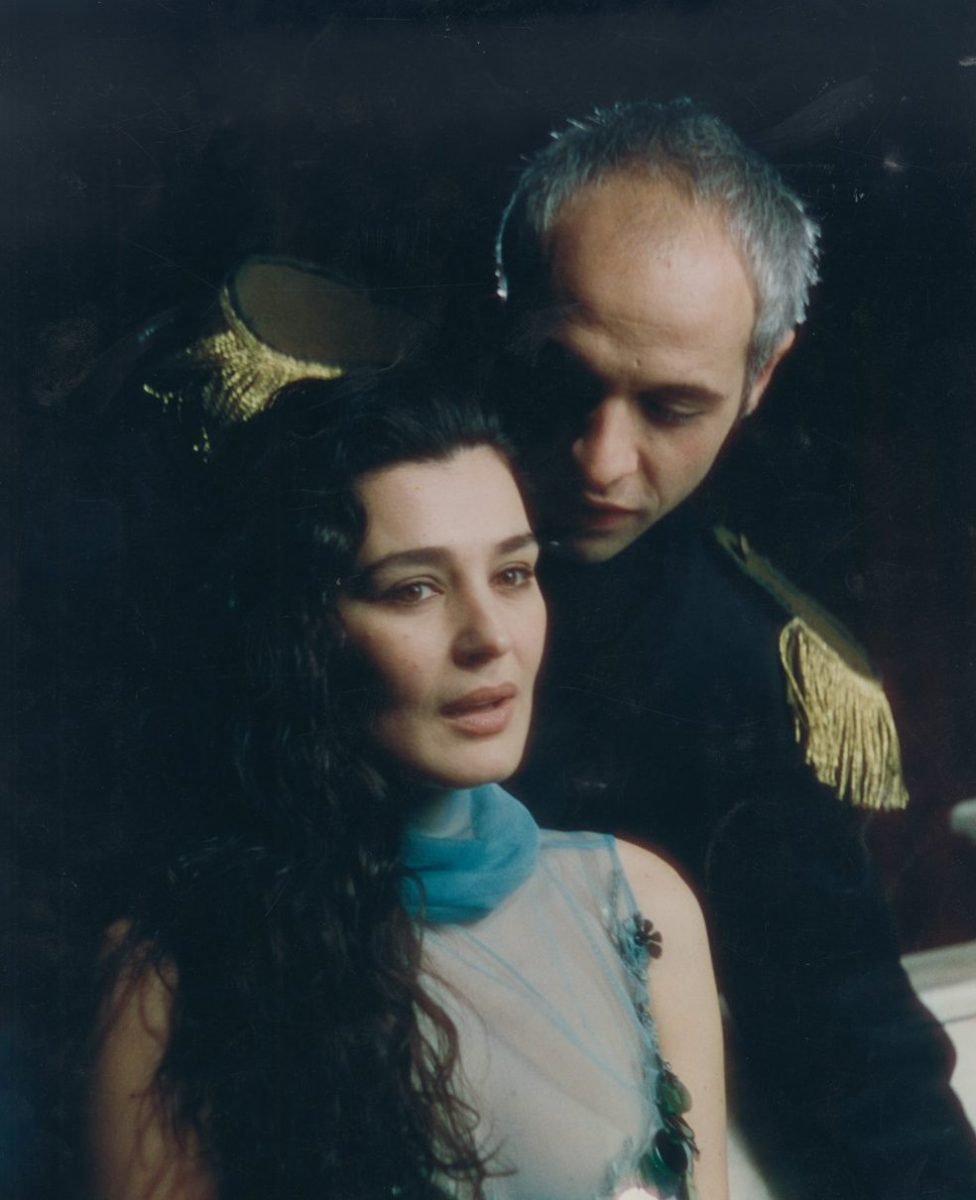
I am no expert, but from what I have read, it seems that this idiosyncratic tragicomedy contains many hidden references to the French Courts of that time. Some say that the king is Ferdinand, ruler of Navarre back when Navarre was still united with a portion of Spain. Others argue that it refers to the later Ferdinand, Henry IV, who became the king of all France as Henry IV, and that the princess who comes to meet him is Margaret of Valois, Queen Margot, who indeed visited Henry during Shakespeare’s time, accompanied by her mother, the notorious Catherine de’ Medici (hence the name Catherine appearing in the play). Whatever the truth may be, it is certain that the play is brimming with derogatory innuendos about the French courtiers, and there are many instances where the scenes resemble tapestries of the Valois era depicting hunting scenes and the naturalistic events of courtly life. Additionally, I cannot resist the temptation to mention how the princess, as a “huntress”, reminds me of the famous Diane de Poitiers, the favored companion of a previous king from the Valois dynasty, who was depicted as Artemis, the goddess of hunting, with her bow and deer. […]
Stratis Paschalis, “Is Love’s Labour Doomed to Be Lost?” From the performance programme.
Source: National Theatre of Greece
Translated by: Stratis Paschalis
Directed by: Stathis Livathinos
Set & Costume Design: Eleni Manolopoulou
Music: Thodoris Abazis
Choreography: Mariela Nestora
Lighting Design: Alekos Anastasiou
Assistant Directors: Maria Nafpliotou | Katerina Alexaki | Eleni Boza (from the Actors & Directors Workshop)
Irina Promptova and Andrey Shchukin collaborated with the cast on text analysis and movement development.
Cast, in order of appearance:
King Ferdinand: Stathis Grapsas
Lord Longueville: Panagiotis Bougiouris
Lord Dumaine: Nikolas Papagiannis
Lord Berowne: Yannis Mavritsakis
Dull: Dimitris Imellos
Costard: Alexandros Logothetis
Armado: Vassilis Andreou
Moth: Nikos Kardonis
Jacquenetta: Maria Savvidou
Boyet: Tasos Giannopoulos
Princess of France: Maria Nafpliotou
Lady Maria: Natalia Stylianou | Marianna Lambiri
Lady Katharine: Alexandra Lerta
Lady Rosaline: Katerina Evangelatou | Evita Zimali
Holofernes: Dimitris Papanikolaou
Sir Nathaniel: Giorgos Dambasis
The recording of the performance’s music features:
Electric guitar: Aris Troupakis
Electric guitar: Tasos Antoniou
Bass: Alexandros Antoniou
Percussion: Dimitris Menounos
First prize for best performance at the 42nd Theatre Festival of Ohrid.