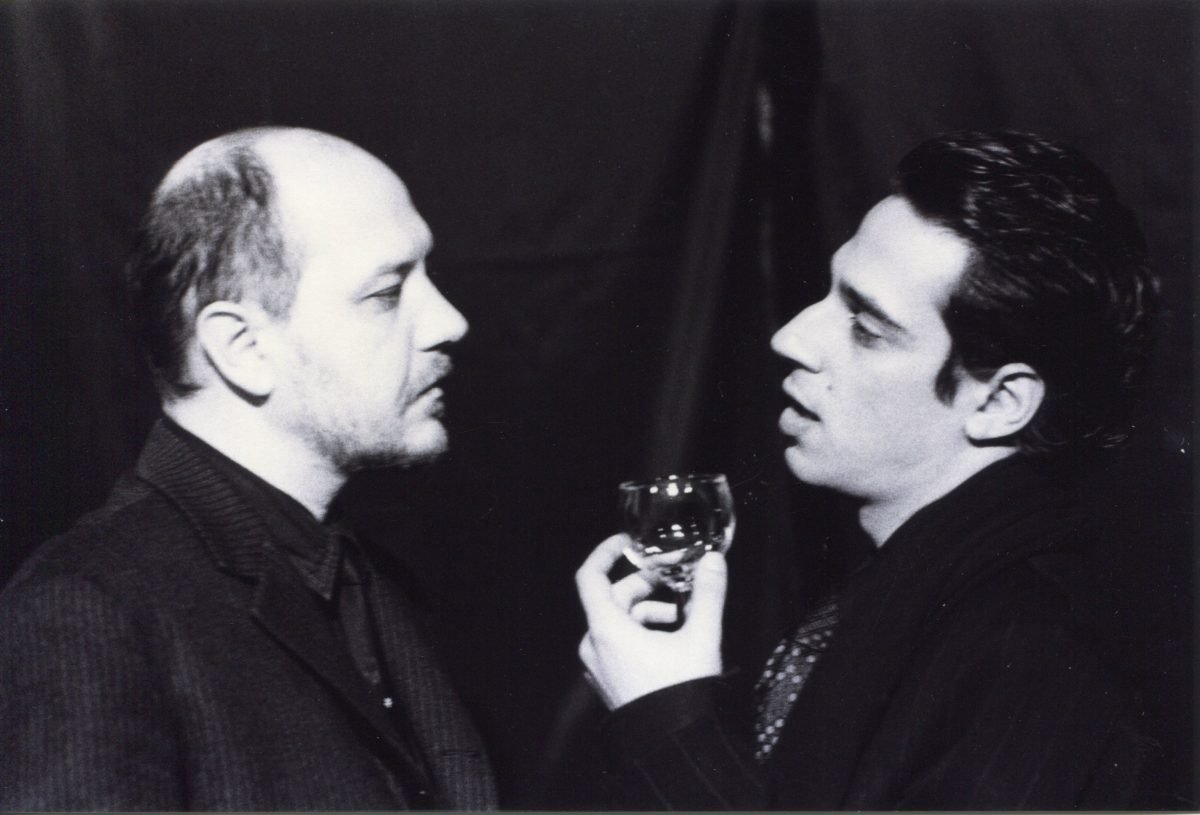
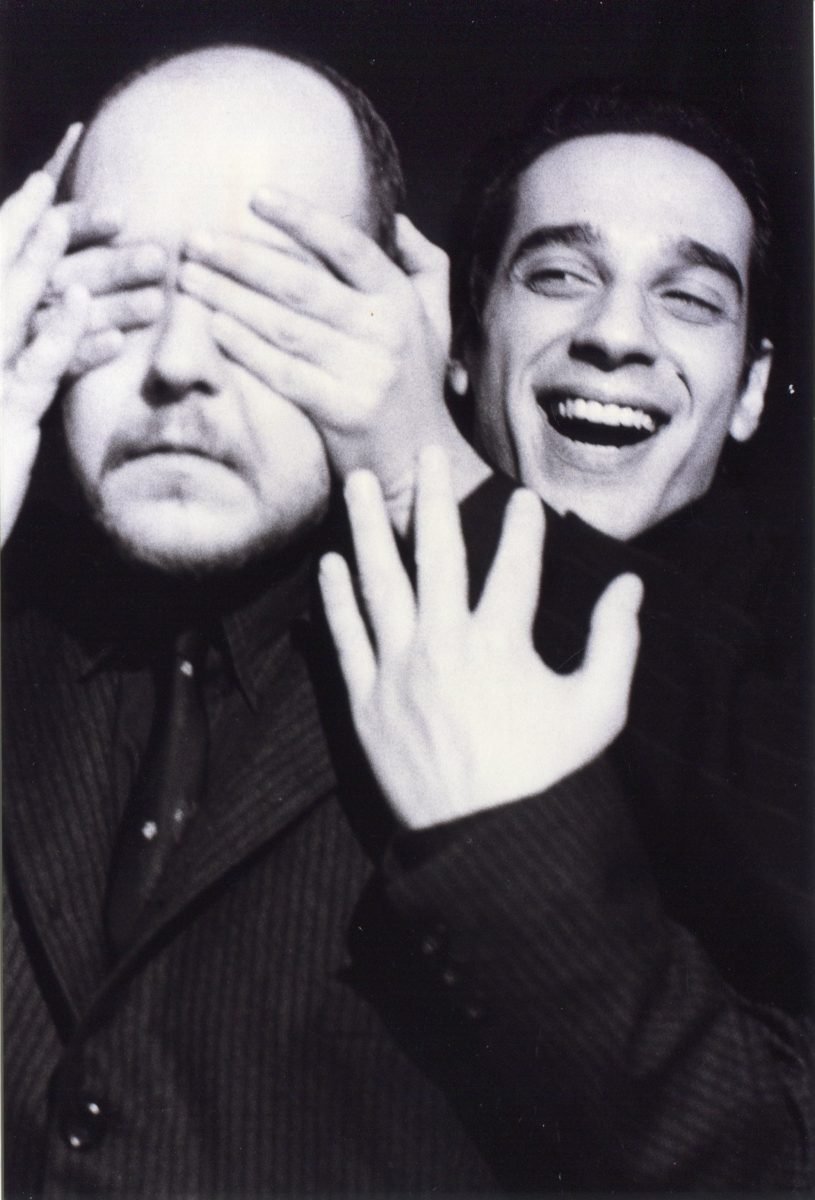

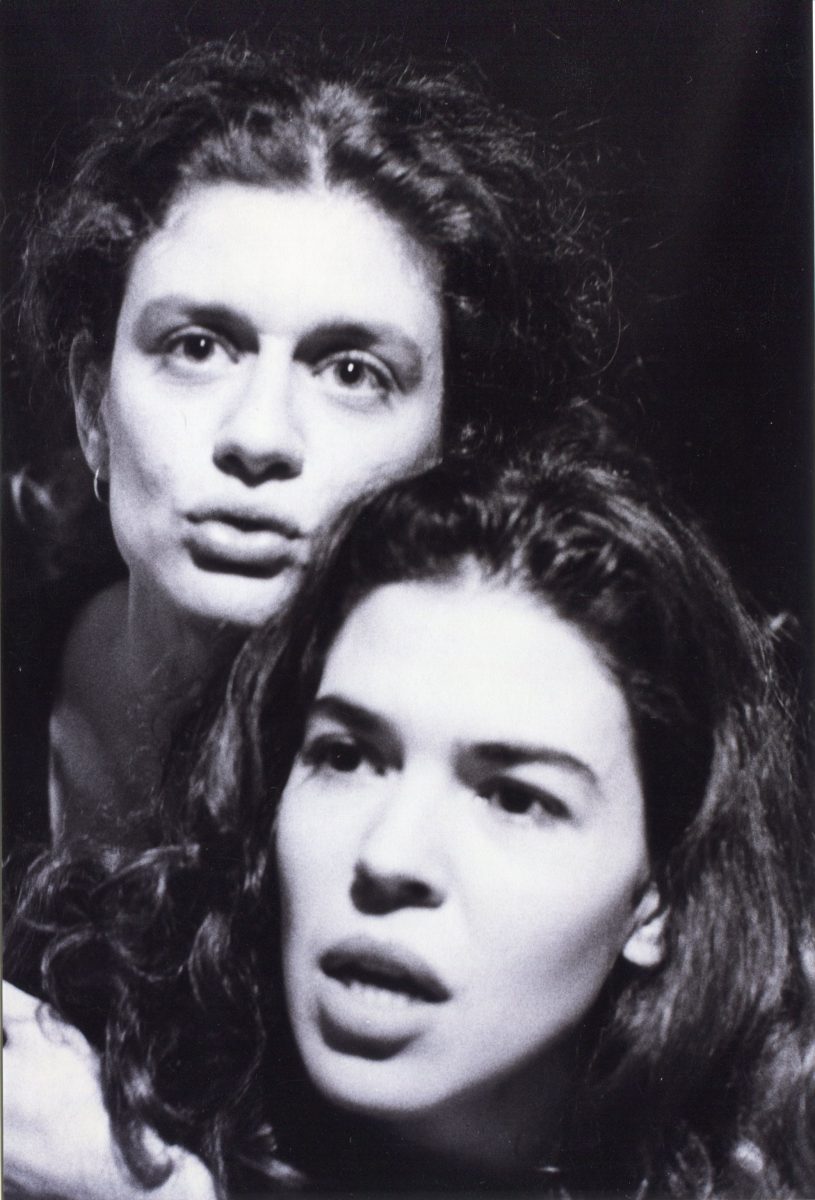
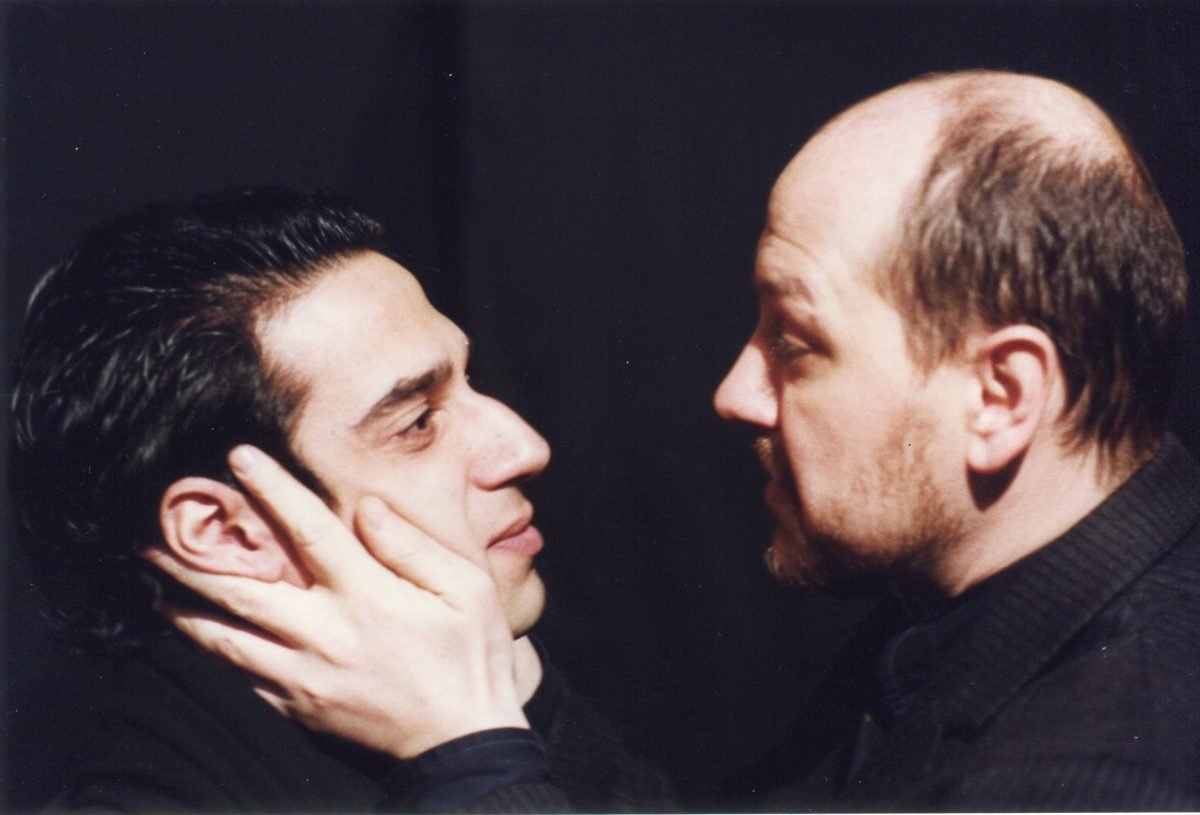
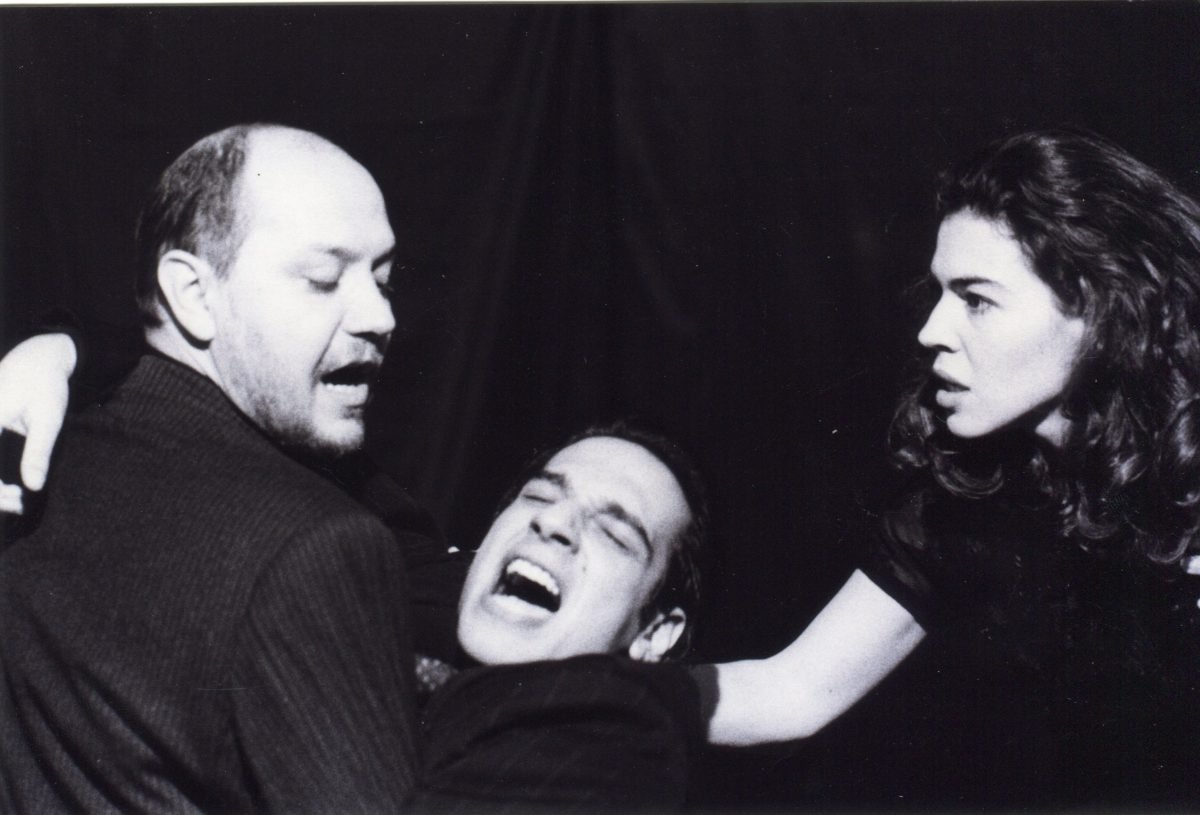
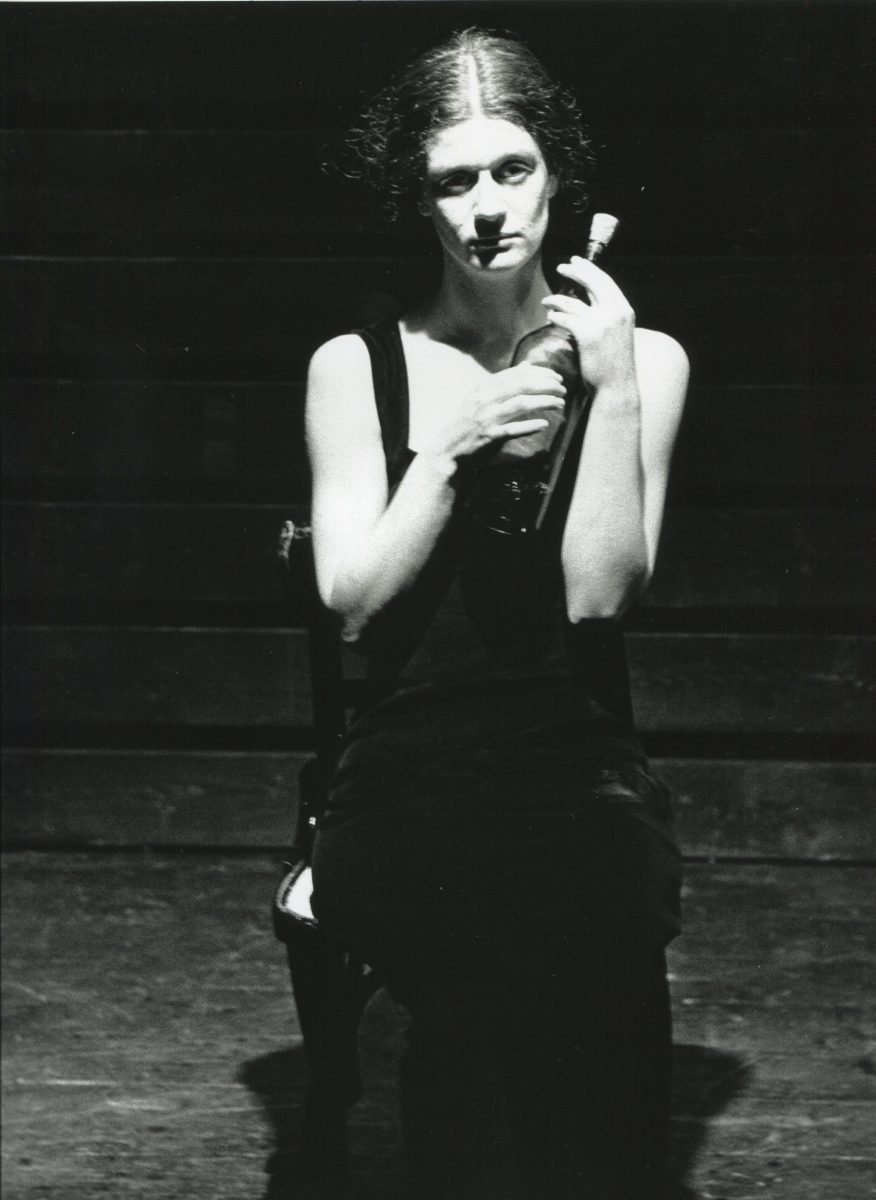

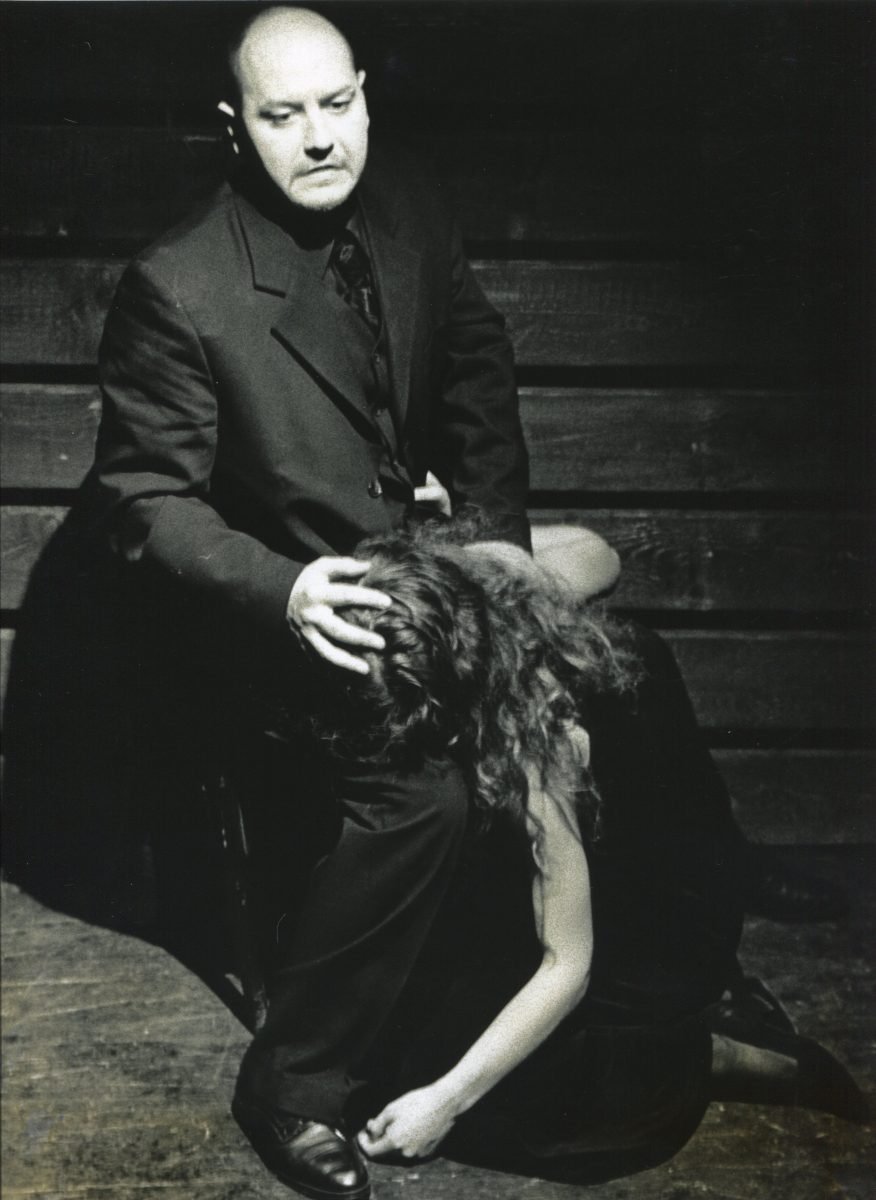


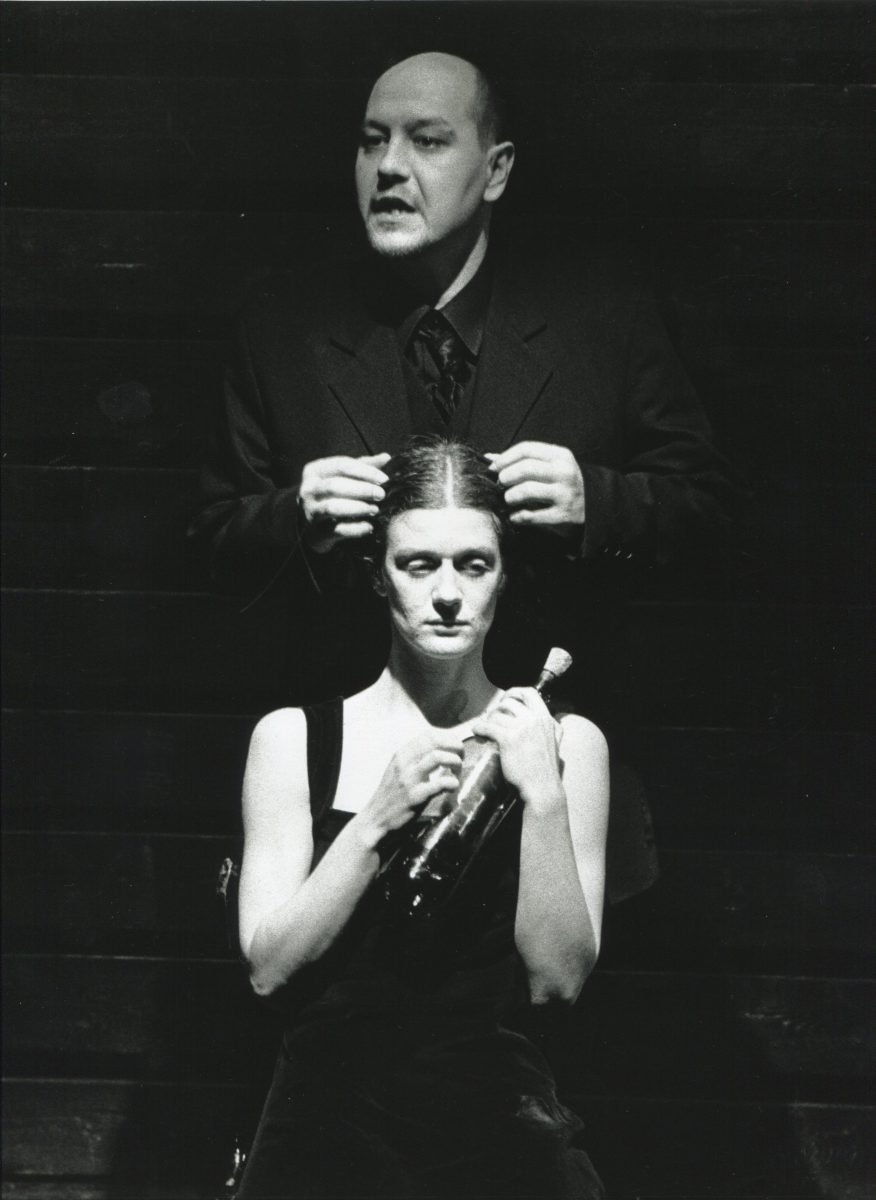
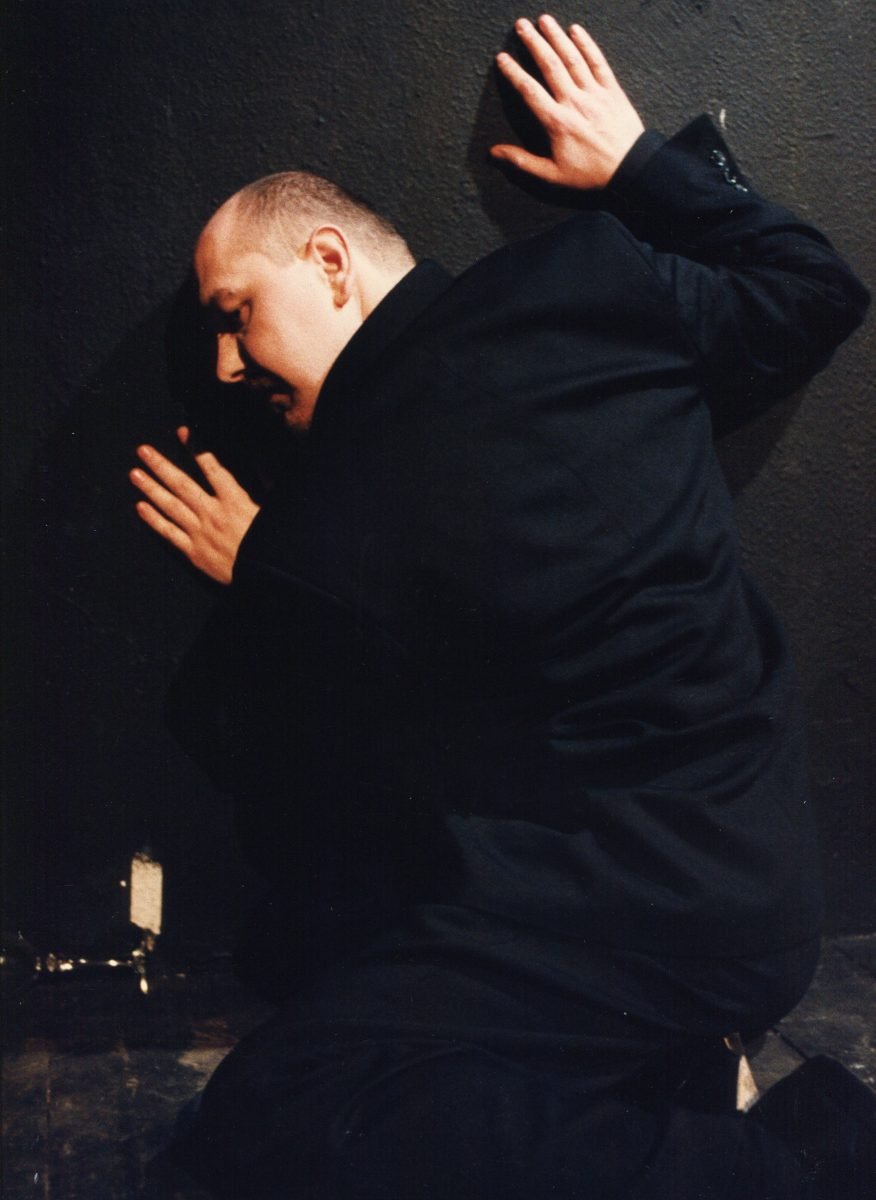

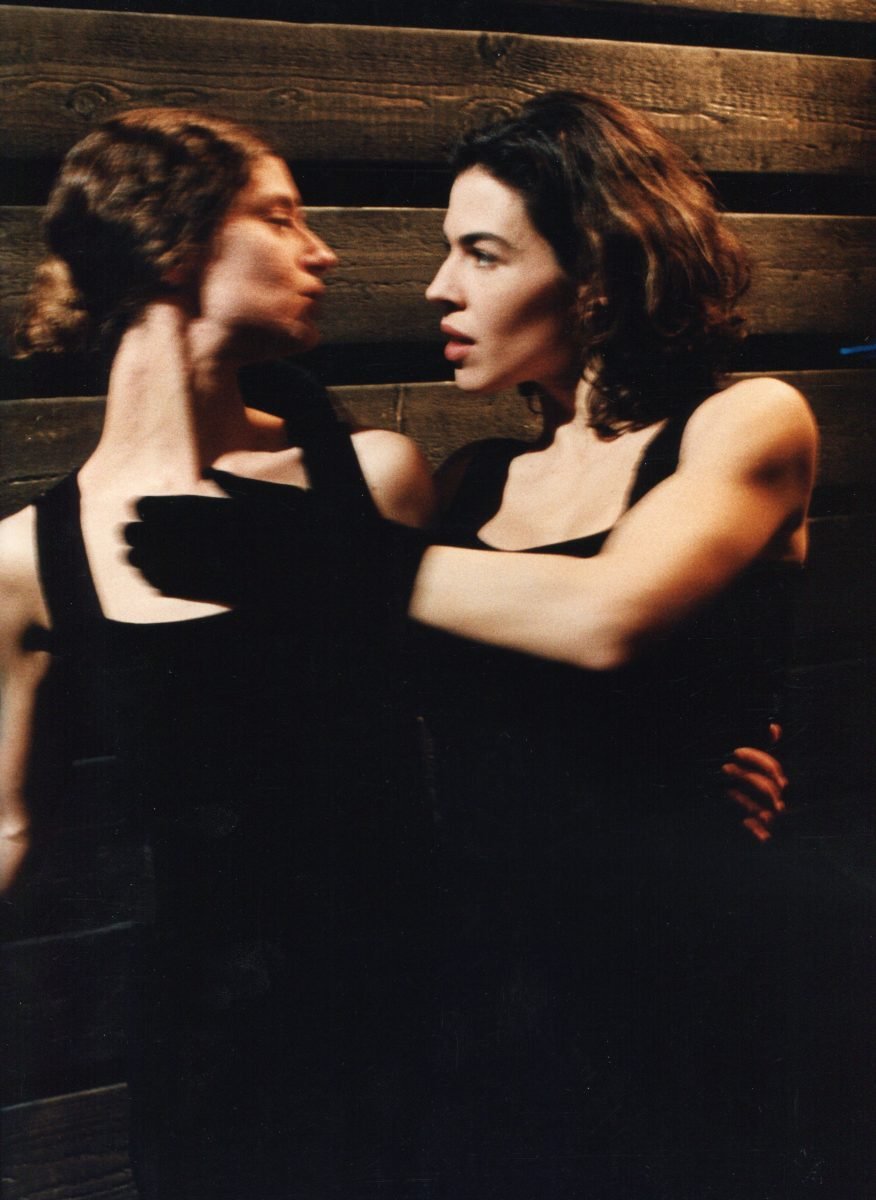

The Stone Guest
Mozart and Salieri
Feast in Time of Plague
Notos Theatre, Balcony
First performance: January 6, 1996
Last performance: March 3, 1996
“In the autumn of 1830, Pushkin found himself in the village of Boldino for some business. While he initially planned to stay for about a week, the cholera epidemic that was ravaging Russia at the time kept him isolated there for approximately three months. The poet suddenly found himself in the absolute tranquility of the village, with hardly any contact with the outside world and nothing to do. Thus, he turned to the only outlet he knew: writing. The volume and quality of the work he produced during this period would be enough to establish him as a writer of global stature. It was during this time that he wrote some of his best poems, many short stories, and several plays, of which he completed only four: The Stone Guest, Mozart and Salieri, Feast in Time of Plague, and The Miserly Knight. These four became known as Little Tragedies after his death, although Pushkin himself had refused to give them any collective title. […]
In these works, which, although theatrical, are distinct from his poetic creations, Pushkin reaches the highest degree of plot condensation. Only the climax matters. There is no introductory scene; it exists outside the work, even before the beginning of the action: when the hero appears on the stage, he is already prepared to make his decisive catalytic decision; he is “captured” at the moment of his fall or rise. […]
From the preface to:
Alexander Pushkin, Little Tragedies, translated by L. Karatzas, Alexandreia Publishing, Athens, 1996.
Translated by: Leonidas Karatzas
Adapted & Directed by: Stathis Livathinos
Set & Costume Design: Angelos Angeli
Music: Lefteris Grigoriou
Lighting Design: Alekos Anastasiou
Assistant Director: Marianna Kolovou
Electrician: Pavlos Chatzipavlou
Cast:
Natalia Dragoumi
Anna Mascha
Themis Panou
Dimosthenis Papadopoulos