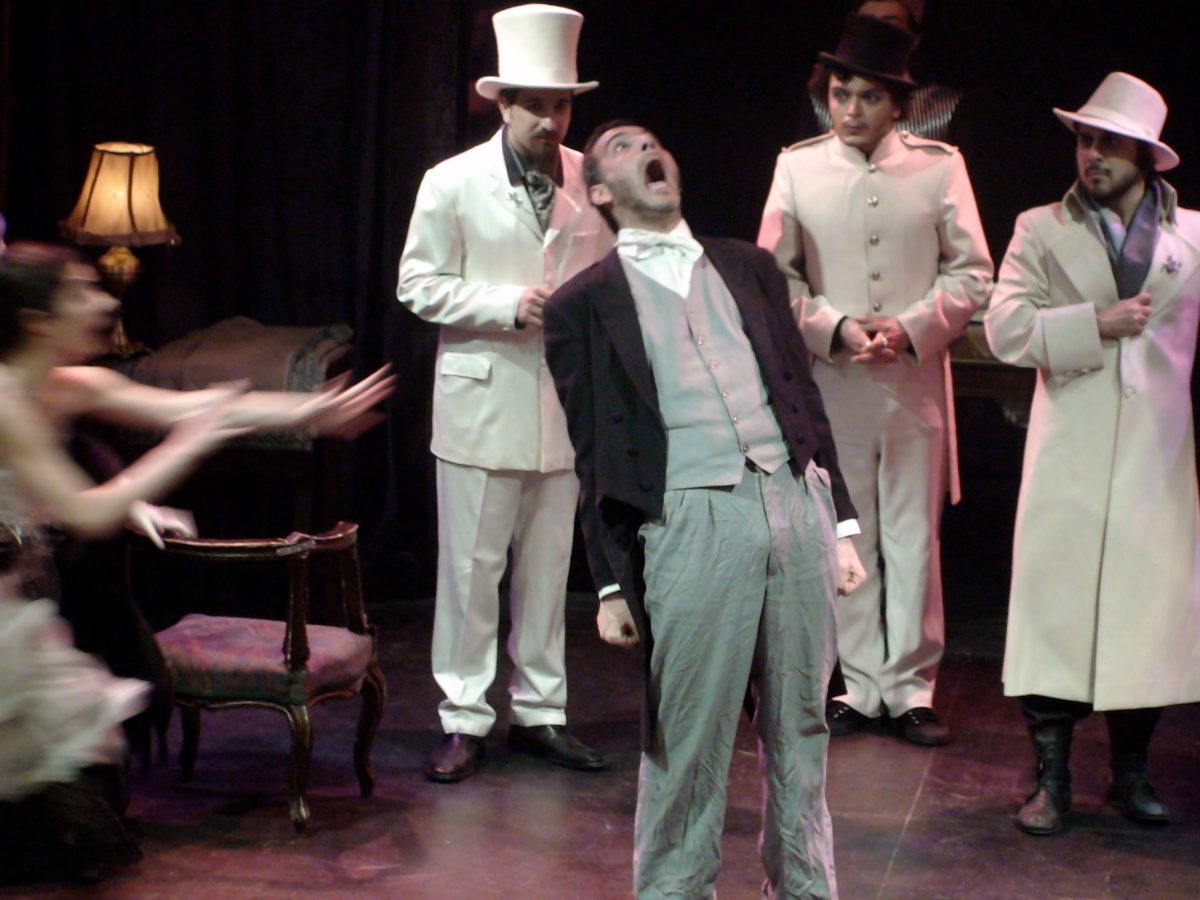
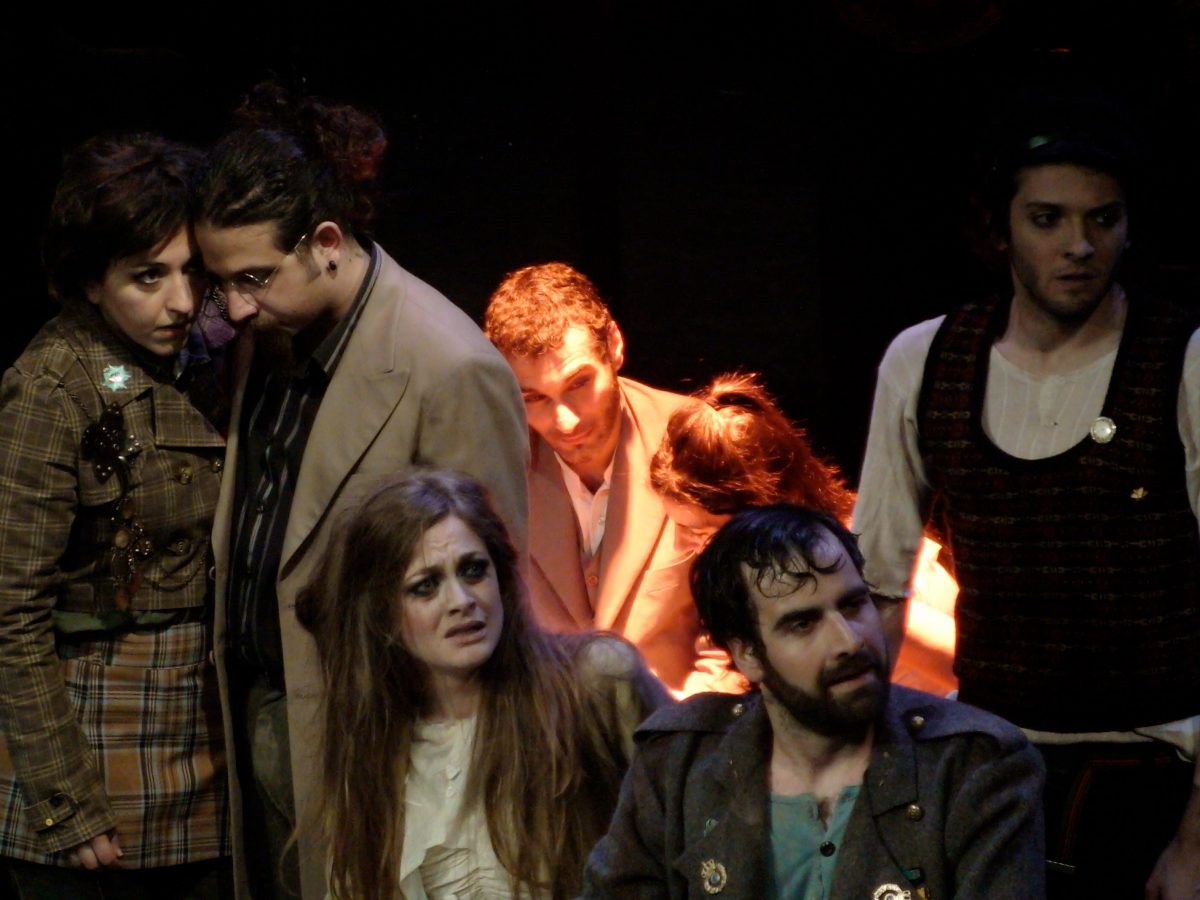
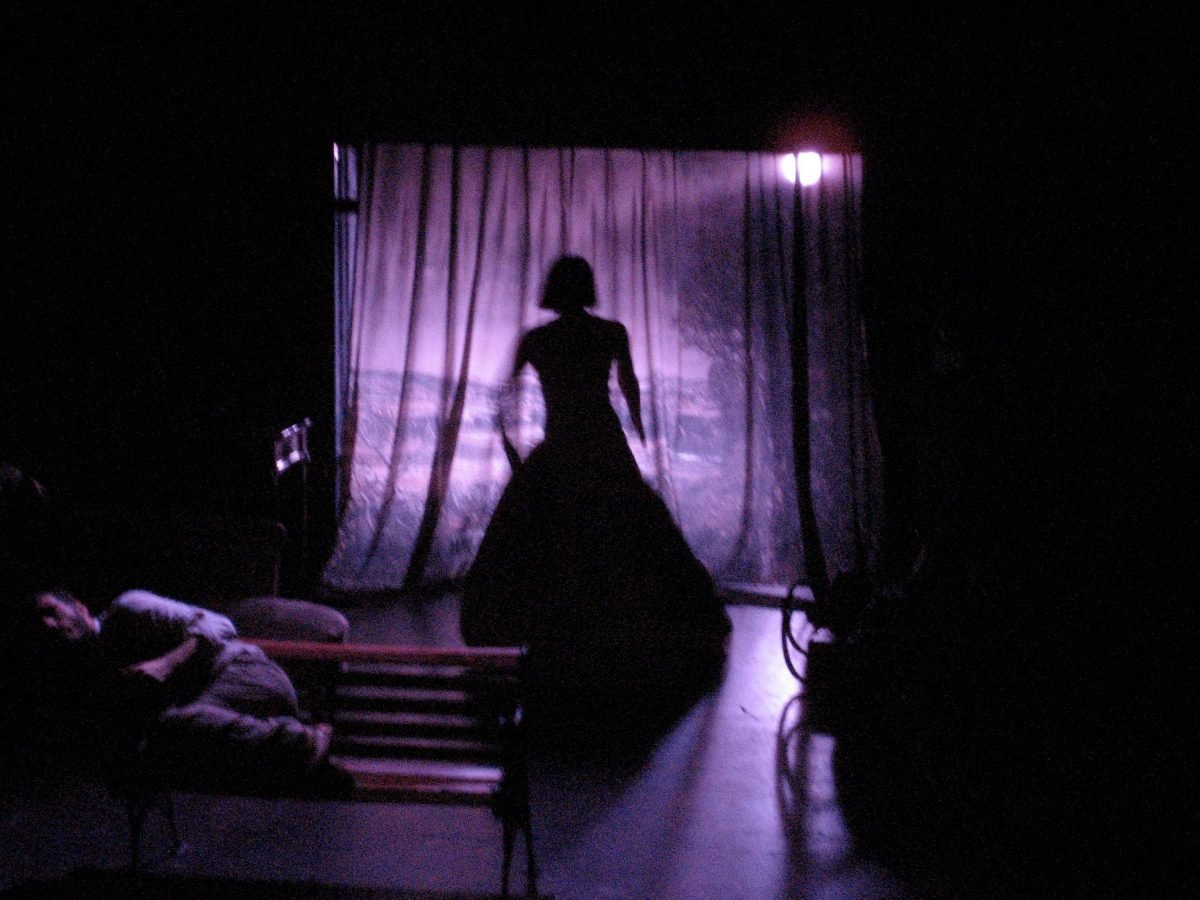

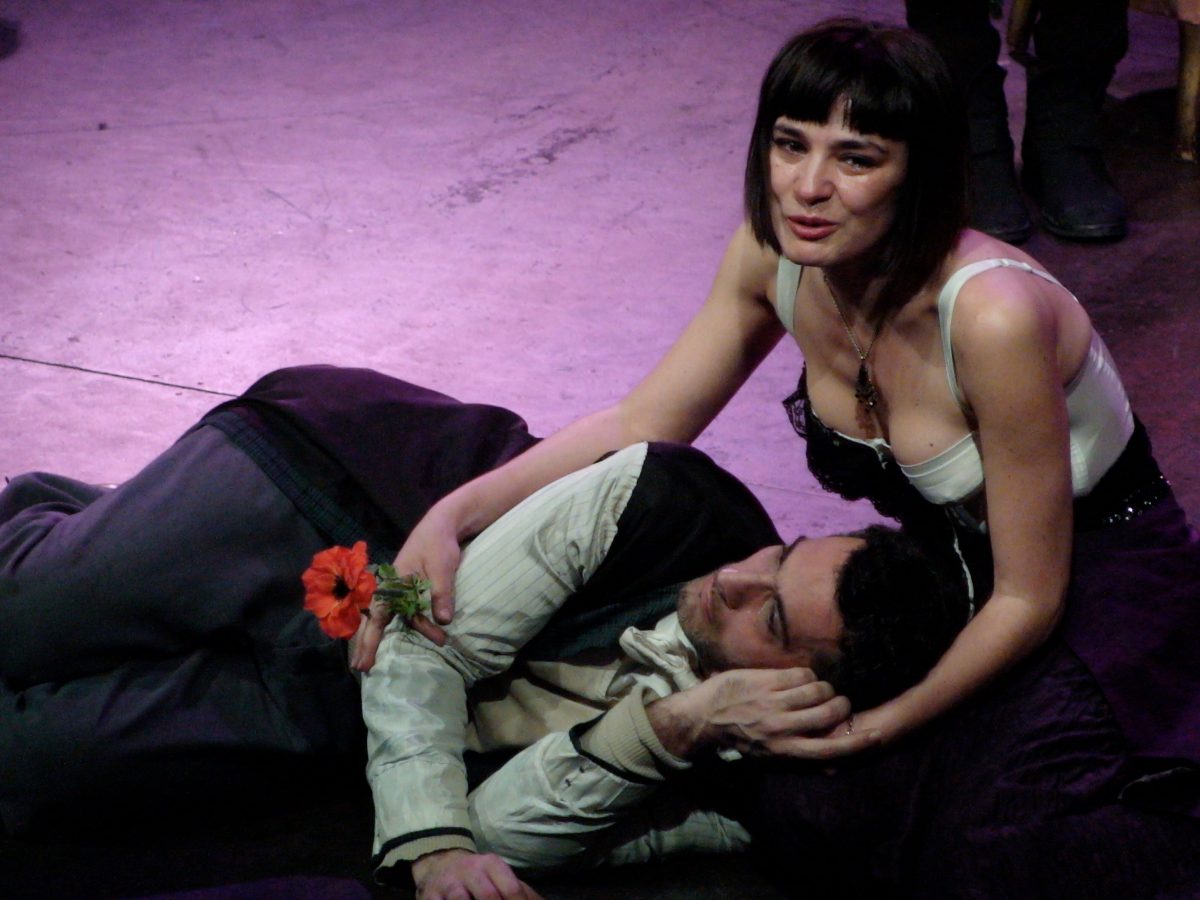



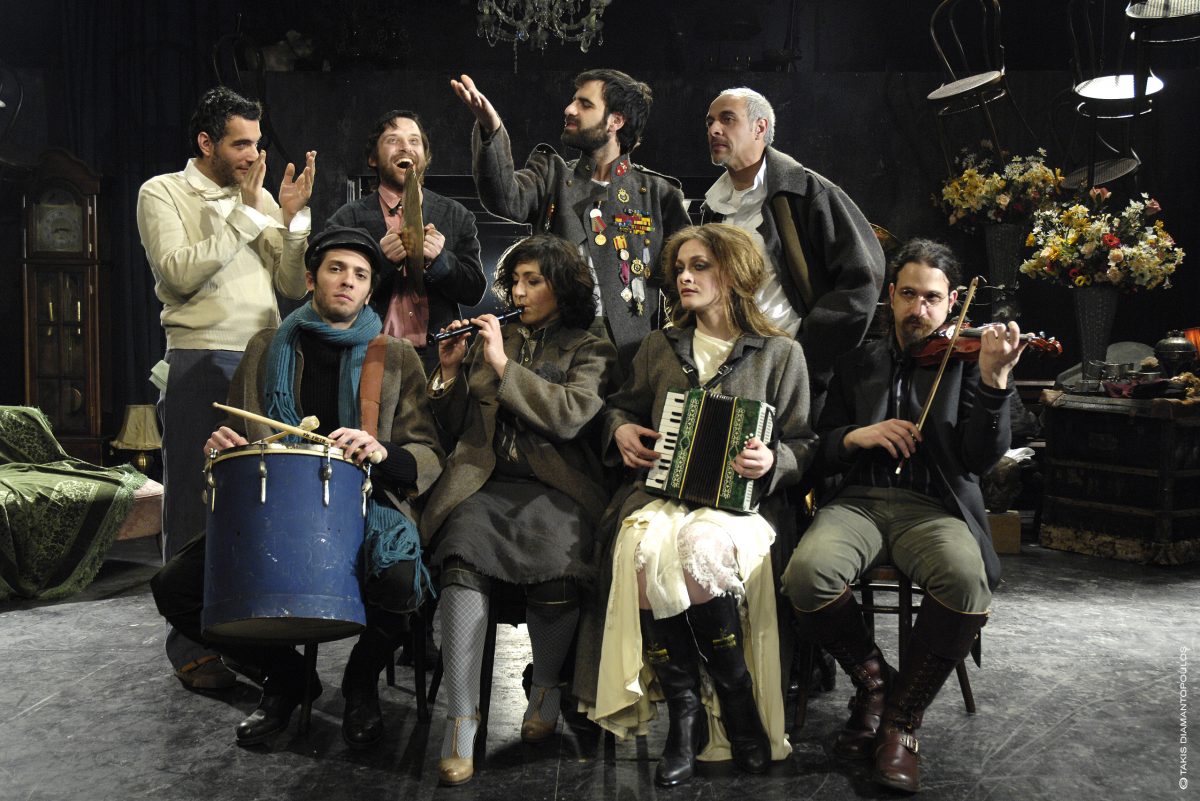
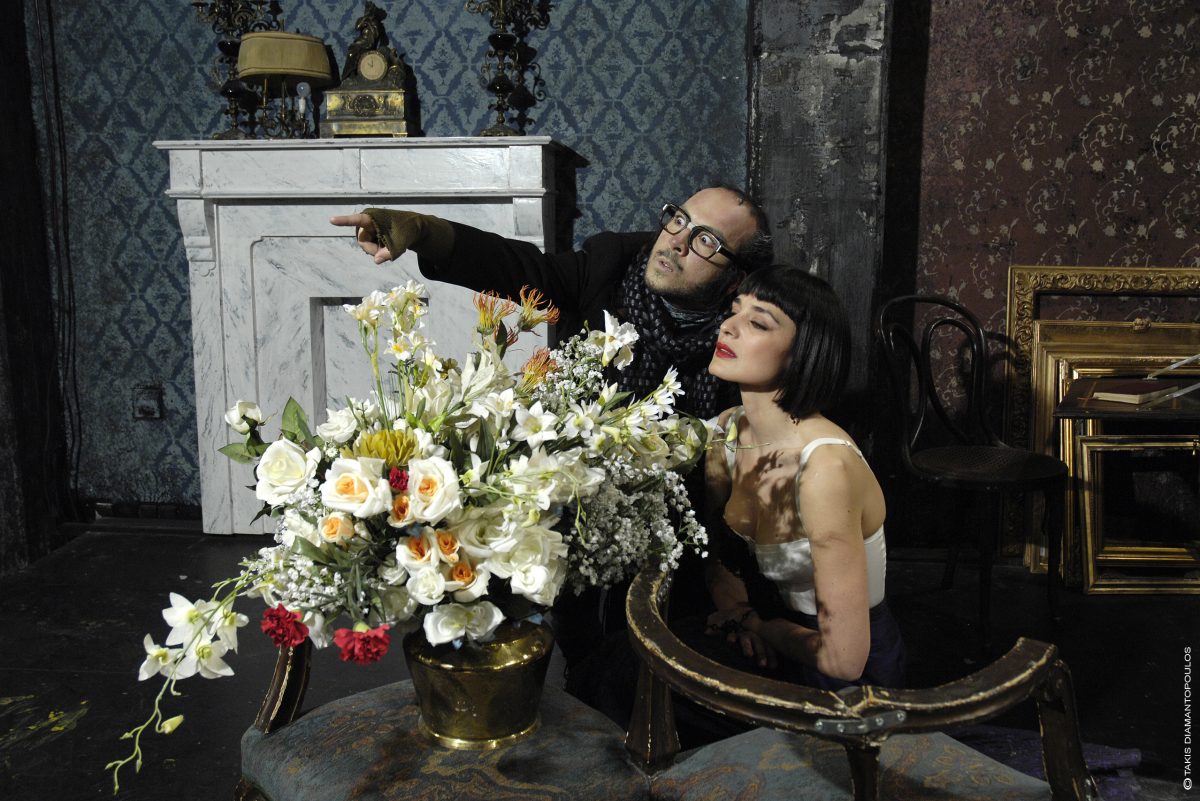
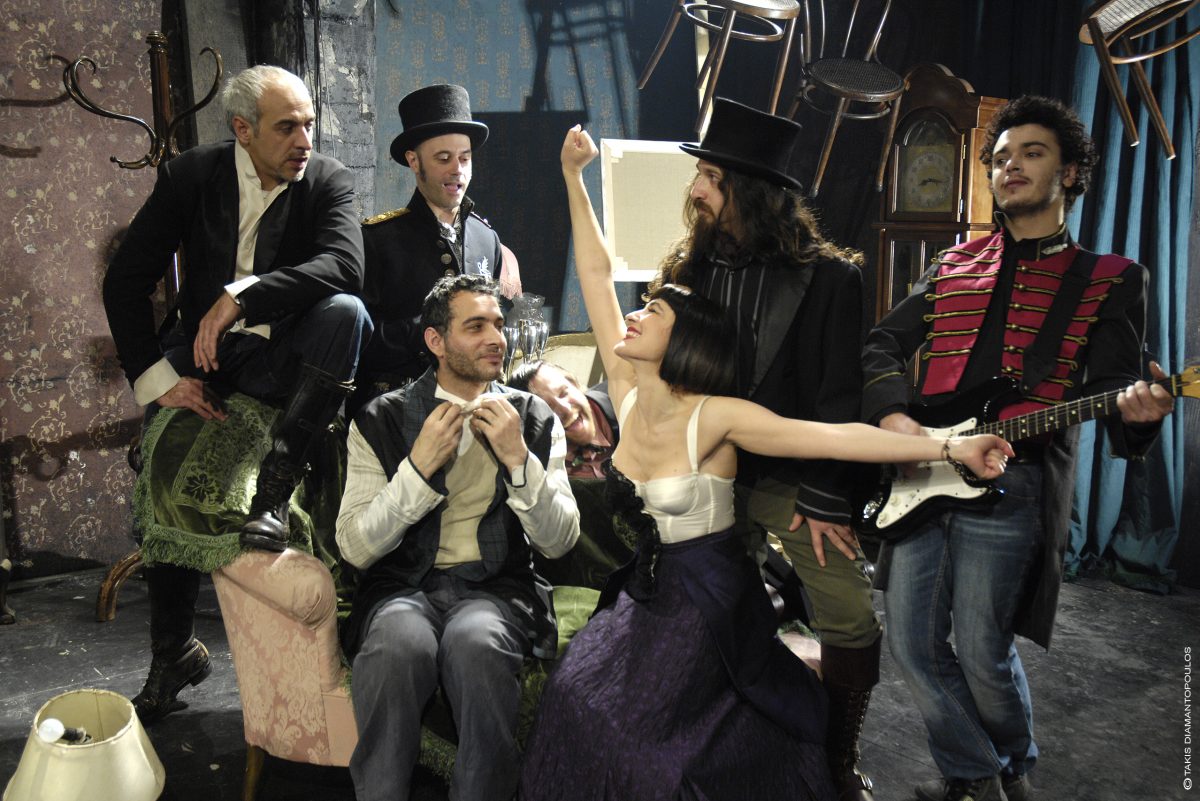
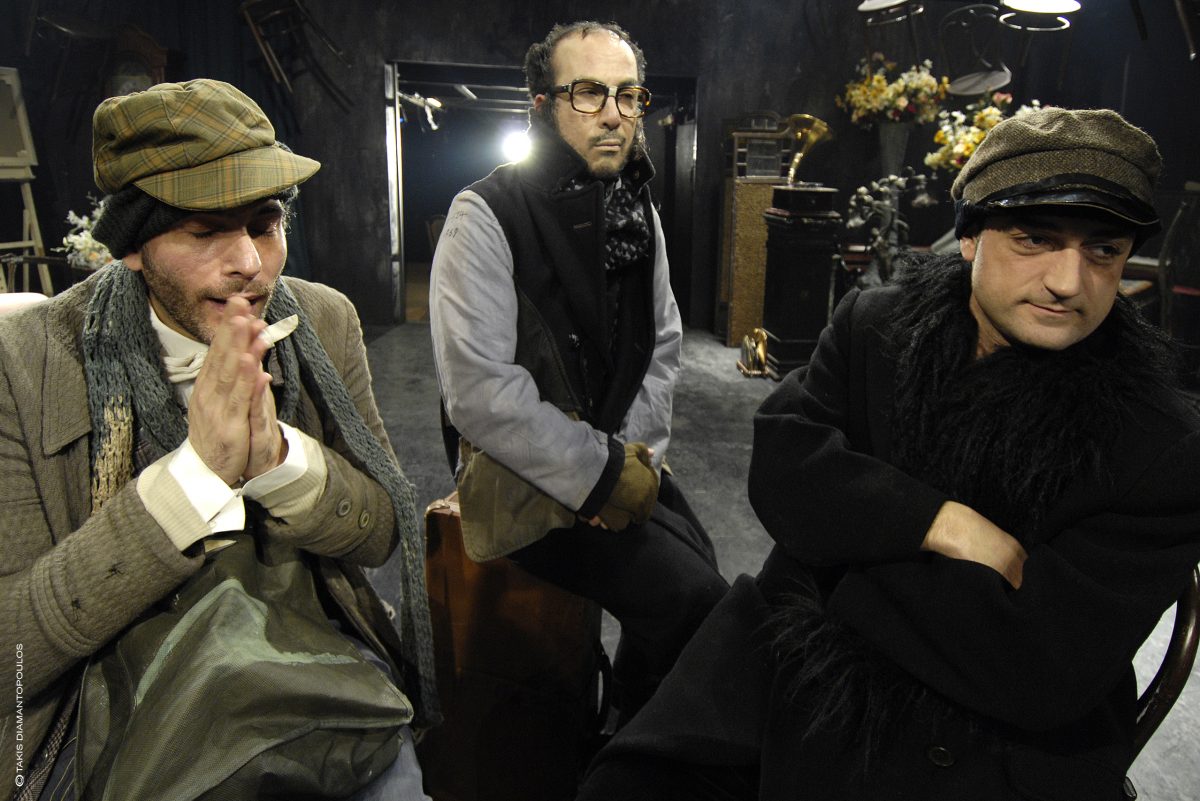

National Theatre of Greece — Experimental Stage
Apo Michanis Theatre — Stage A
First performance: October 19, 2007
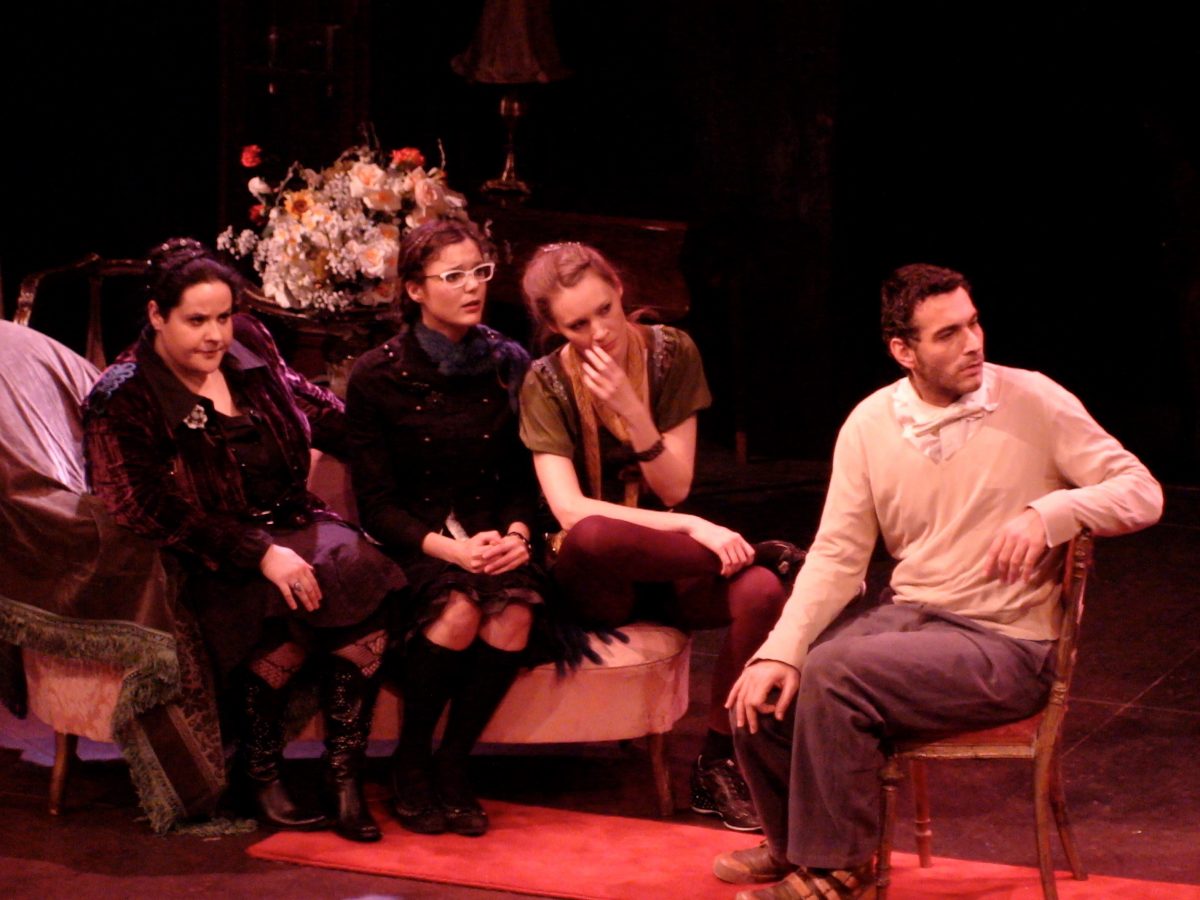
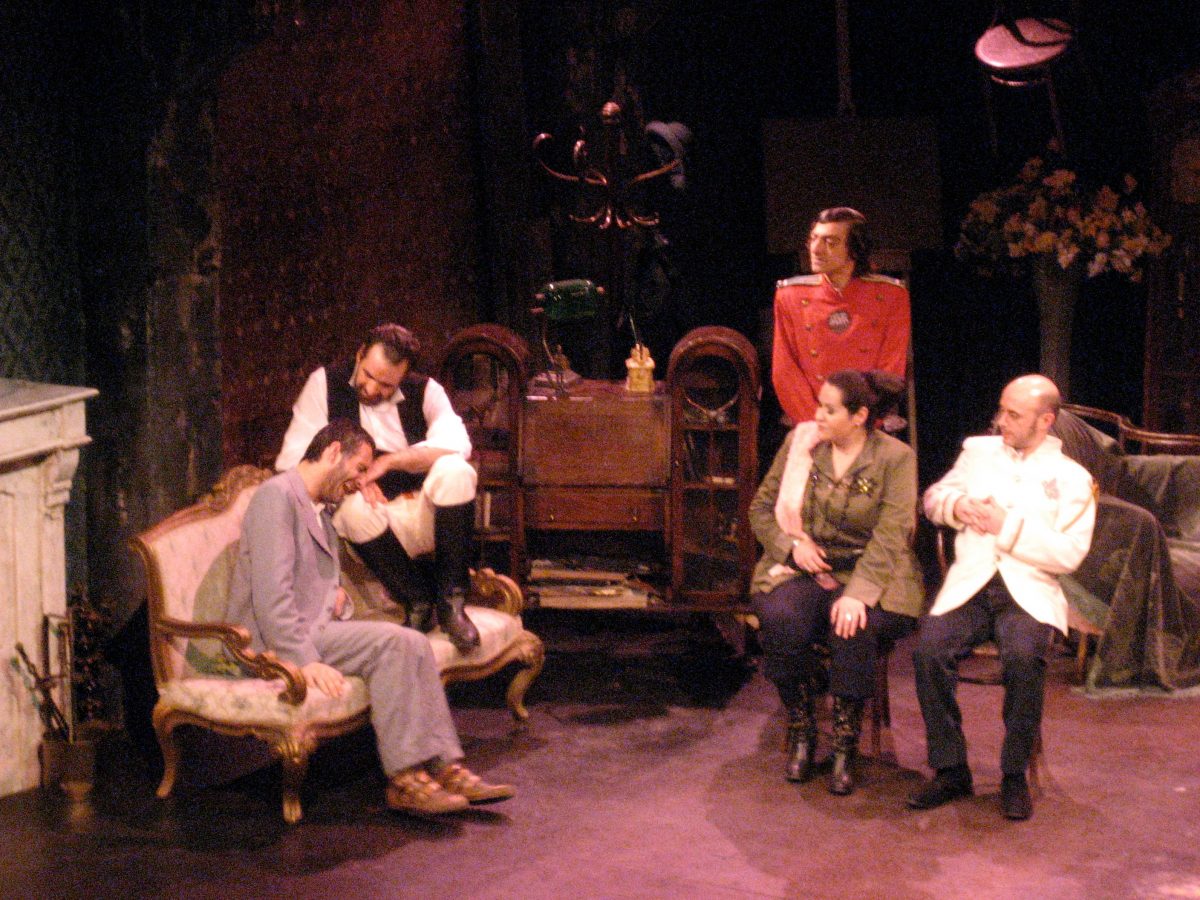
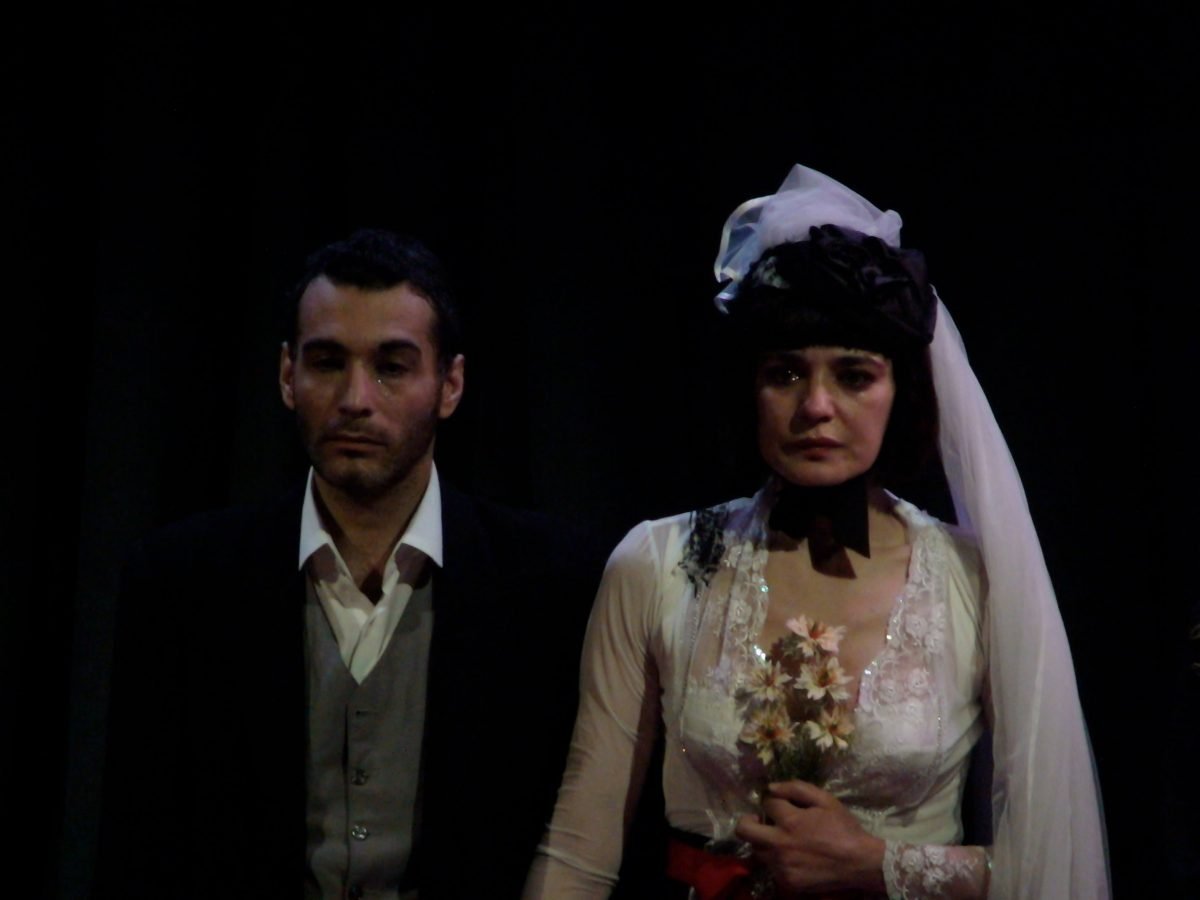
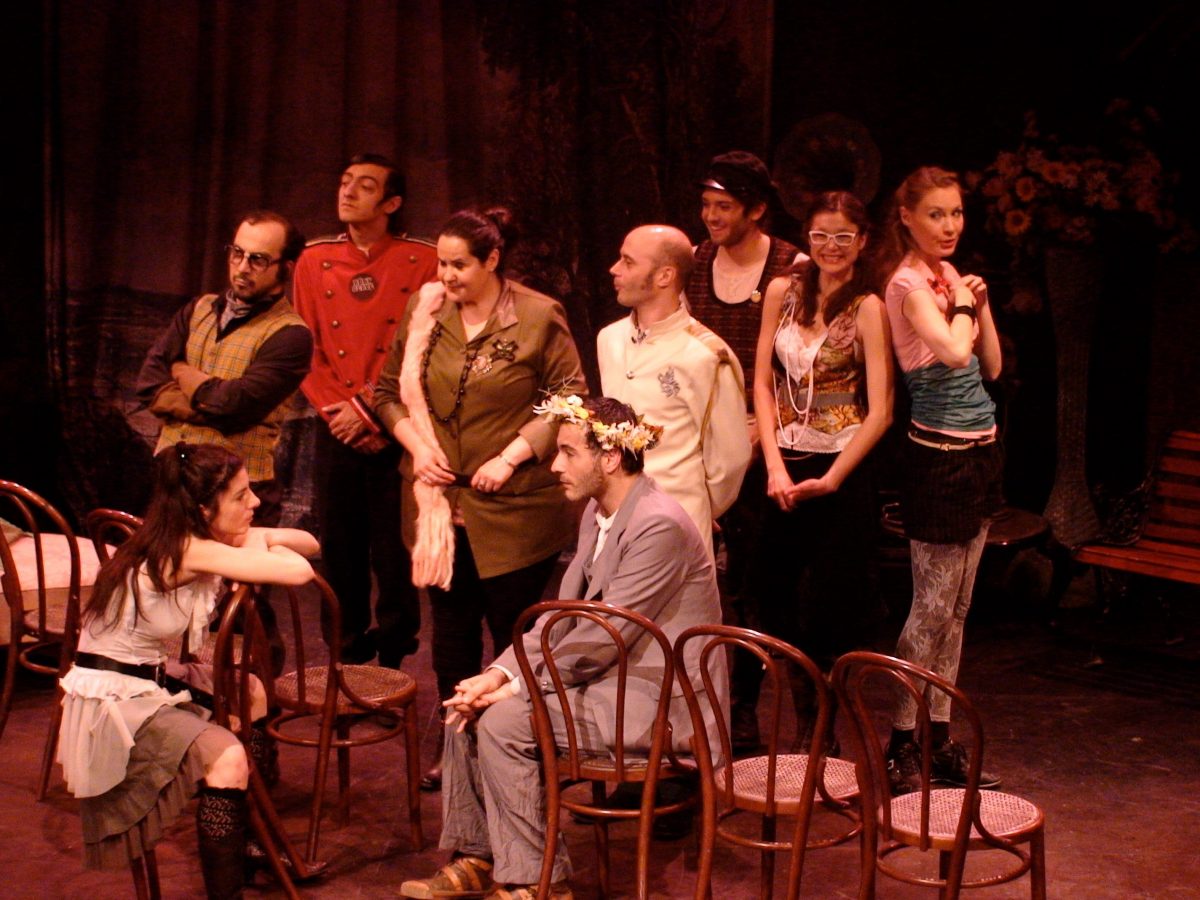
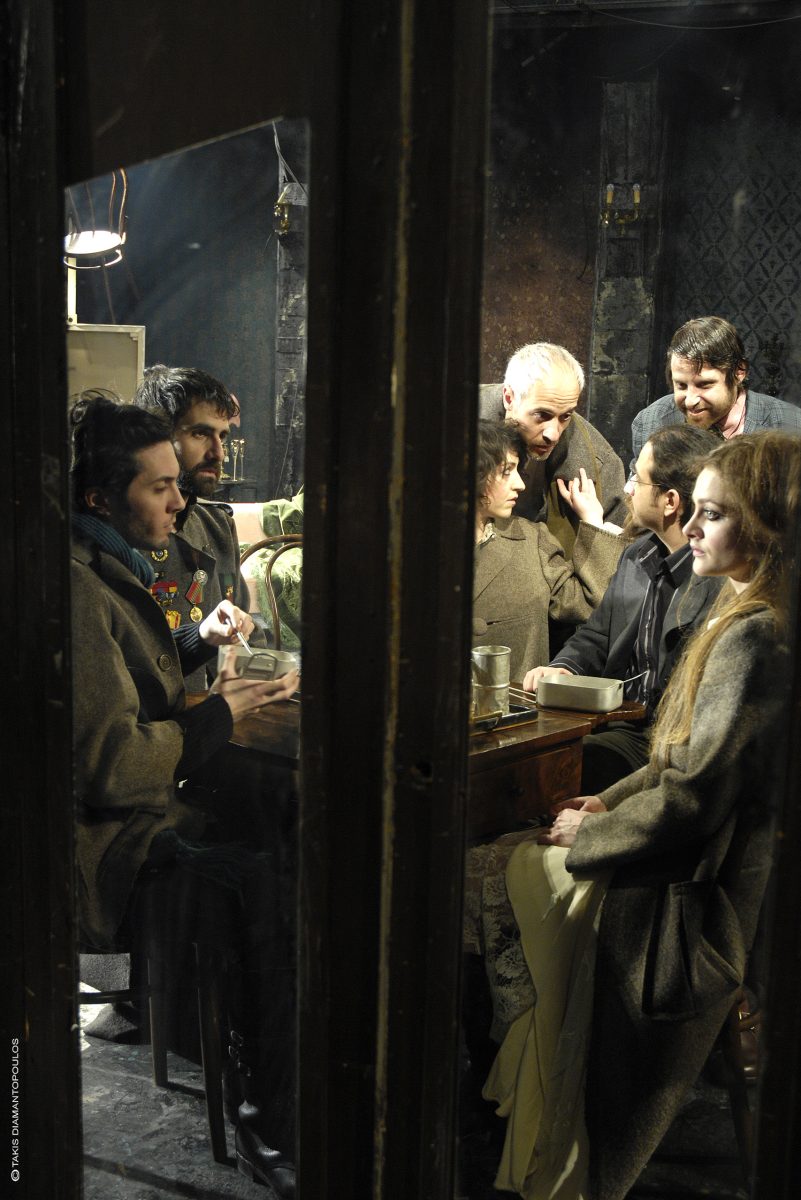
After Crime and Punishment, where the narrative dovetails perfectly with the gradual disclosure of a deadly secret, in The Idiot, Dostoevsky falls to the opposite extreme. He now plans to describe a man who has nothing to hide, who is transparent and innocent to the point of stupidity. […] Myshkin is neither masked nor secretive. Consequently, all the “thoughts”, “feelings” and “notions” that cross his mind (which separates the outside world from the inner world of the hero) now take a back seat. […] At least in the first part of The Idiot, the difference is striking. It uproots the narrator from the heart of the characters and allows them to speak as they would in a scene. […]
Under the pedestrian form of everyday conversation, Dostoevsky has managed to develop an entire art of exposing the commonplace. His characters never speak in an ordinary manner. Even in the simplest phrase (“you still have a child’s laughter inside you”), there is an element beyond banality. Usually, people speak to disguise themselves, but in The Idiot, we have a troupe of individuals whose truth has found its way into their words.
And just as in theatre, where some explanatory notes as comments always exist outside the action in the form of stage directions, the narrator seizes the opportunity to present some old stories that loosely connect the present of the characters with their past. […]
“The main concern”, Dostoevsky wrote in his Notes, “is the character of the idiot. I must develop him. That is the idea of the novel. How does it reflect Russia? That is why it will suffice for me to gradually show the prince in action.” “But”, he adds, “I need an intrigue there to make the prince more sympathetic. I need to invent a realm for him to act in.” […]
Kostis Papagiorgis, Dostoevsky, Kastaniotis Editions, Athens 1990. From the programme of the performance.
Translated by: Aris Alexandrou
Adapted by: Savvas Kyriakidis, in collaboration with the director and cast
Directed by: Stathis Livathinos
Set & Costume Design: Eleni Manolopoulou
Music: Thodoris Ampazis
Choreography-Movement: Cecil Mikroutsikou
Lighting Design: Alekos Anastasiou
Assistant Director: Yolanda Markopoulou
Cast (in alphabetical order):
Alexándra Ivánovna Epanchin: Alexandra Aidini
Lev Nikolayevich Myshkin: Vassilis Andreou
Afanásy Ivánovich Tótsky | Iván Petróvich Ptítsyn: Petros Giorkatzis
Gavríl Ardaliónovich Ívolgin | Colonel: Stathis Grapsas
Fyodor, a servant: Stelios Iakovidis
Parfyón Semyónovich Rogózhin: Dimitris Imellos
Lukyán Timoféevich Lébedyev: Nikos Kardonis
Daria Alexeyevna | Véra Lukyánovna | Princess Belokonskaya: Maria Kitsou
Agláya Ivánovna Epanchin: Despina Kourti
Ferdýshchenko: Dimitris Mothonaios
Nastasya Filippovna: Maria Nafpliotou
Ardalión Alexándrovich Ívolgin | Yvgény Pávlovich Radómsky: Dimitris Papanikolaou
Nina Ardaliónovna Ívolgin: Eleni Roussinou
Lizavéta Prokófyevna Epanchin: Maria Savvidou
Iván Fyódorovich Epanchín: Stratos Sopylis
Adelaída Ivánovna Epanchin: Giouli Tasiou
Kéller: Yiannis Tseberlidis
Varvára Ardaliónovna Ívolgin: Sofia Tsiniari
Athinorama Awards:
• 1st Prize for Best Performance
• 2nd Prize for Best Direction
• 1st Prize for Best Set Design
• 3rd Prize for Best Costume Design
• 2nd Prize for Best Lighting Design