Bulandra Theatre | Constanta State Theater
October 24-25, Bucharest.
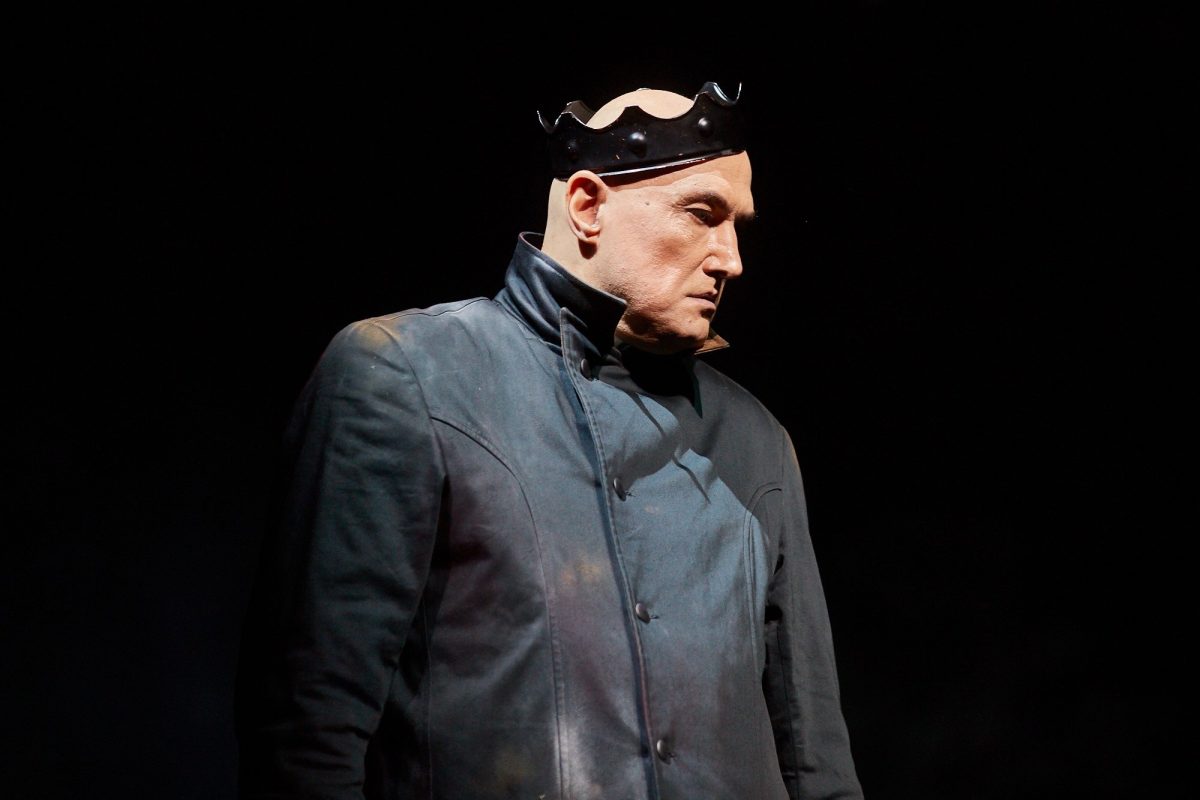
Antigone was first staged at the Bulandra in the early 1990s and it isn’t hard to imagine how much a country of the former Eastern Bloc would have identified with the theme of rebellion and the play’s extensive symbolism. Political thought can never be separated from this piece, even if it is not my primary concern, as there are many layers to these works. After all, I don’t think that Antigone’s revolution is a revelation in our times. Instead, what we need is to understand what constitutes a fatal collision, one in which people pay the ultimate price for their actions. […] Sophocles isn’t writing the story of an evil king; he is describing a terrifying conflict. Ancient tragedy as a genre is confrontational; it isn’t about roles. Looking at these plays through the singularity and loneliness of their heroes is very much a western point of view. This isn’t a particularly revolutionary statement, but to me Creon is just as tragic a figure as Antigone. In this play, two absolute value systems, two irrepressible forces collide: On the one hand, we have a man obsessed with order and its observance at the level of the state and the law, and on the other hand a young woman obsessed with the gods, with family and with values inherited from the past. […] Tradition loves simple structures: the good Antigone, the evil Creon. But the reproduction of such clichés is the path that a director must avoid at all costs. Creon, as a character represents the laws without which a society cannot stand. Laws do not exist to ensure good but to prevent evil. The reason we are more inclined to take the girl’s side is that we perceive her as being the weaker party standing in front of the great machinations of power. We must not forget, however, that Sophocles reserves moments of deafening loneliness for his heroes, because when one is shown at their most human, they are also depicted at their loneliest. […]
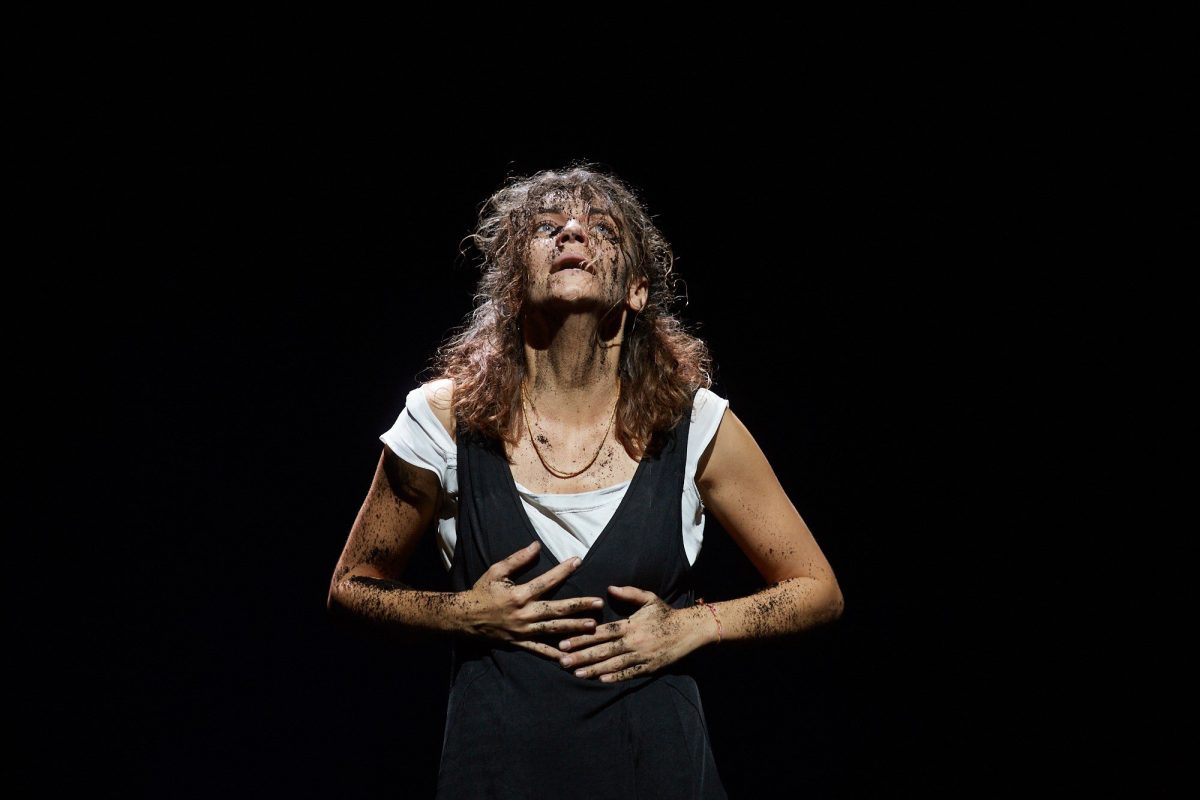
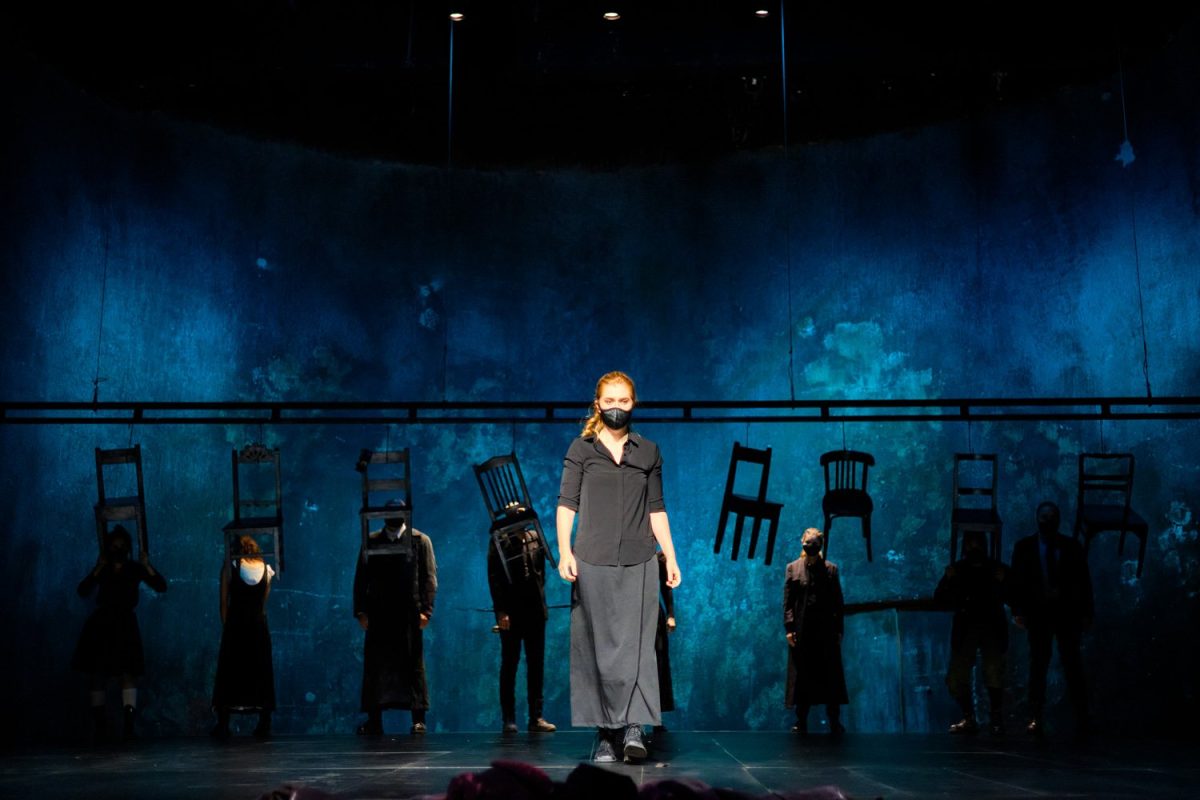
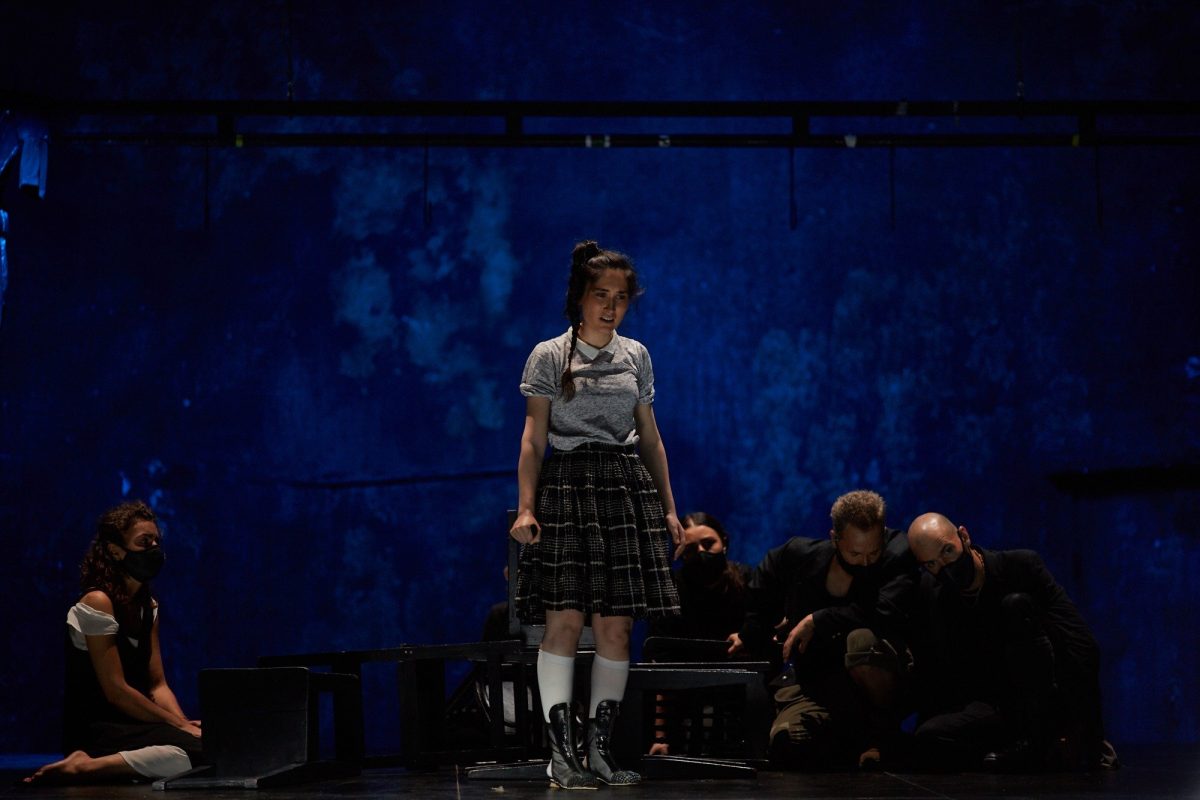
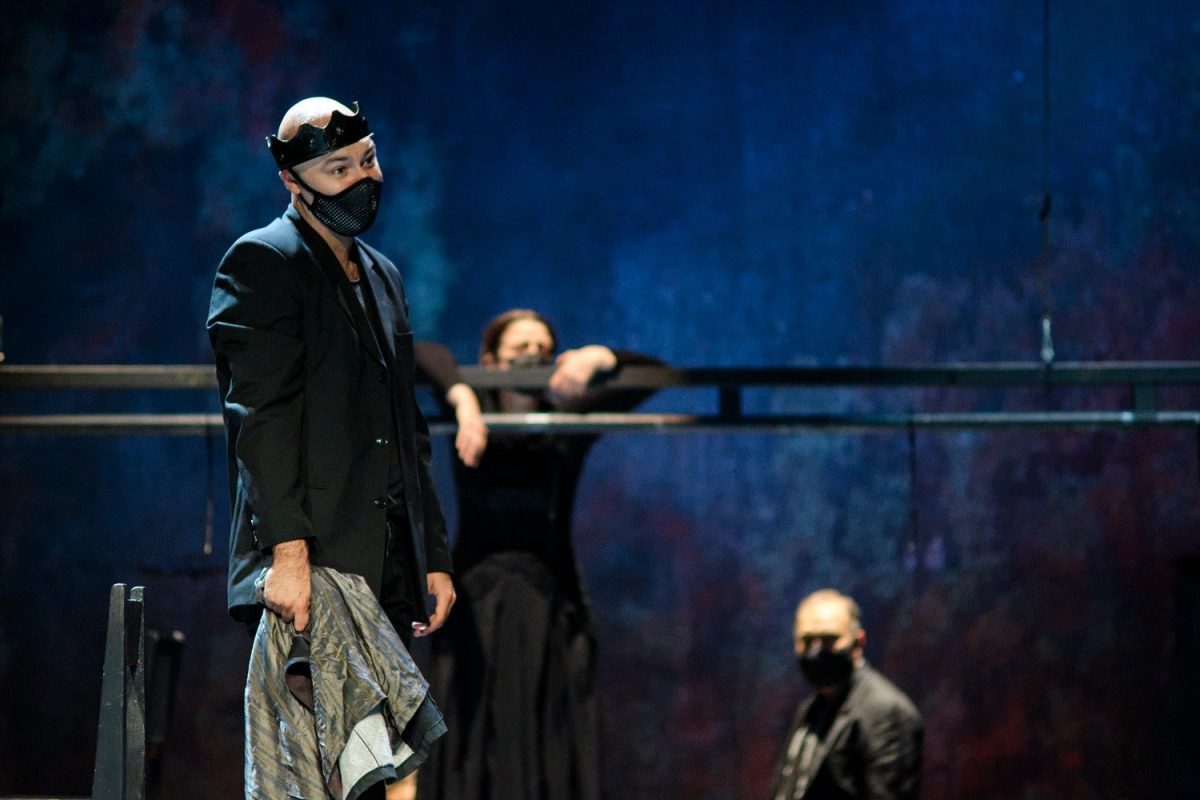
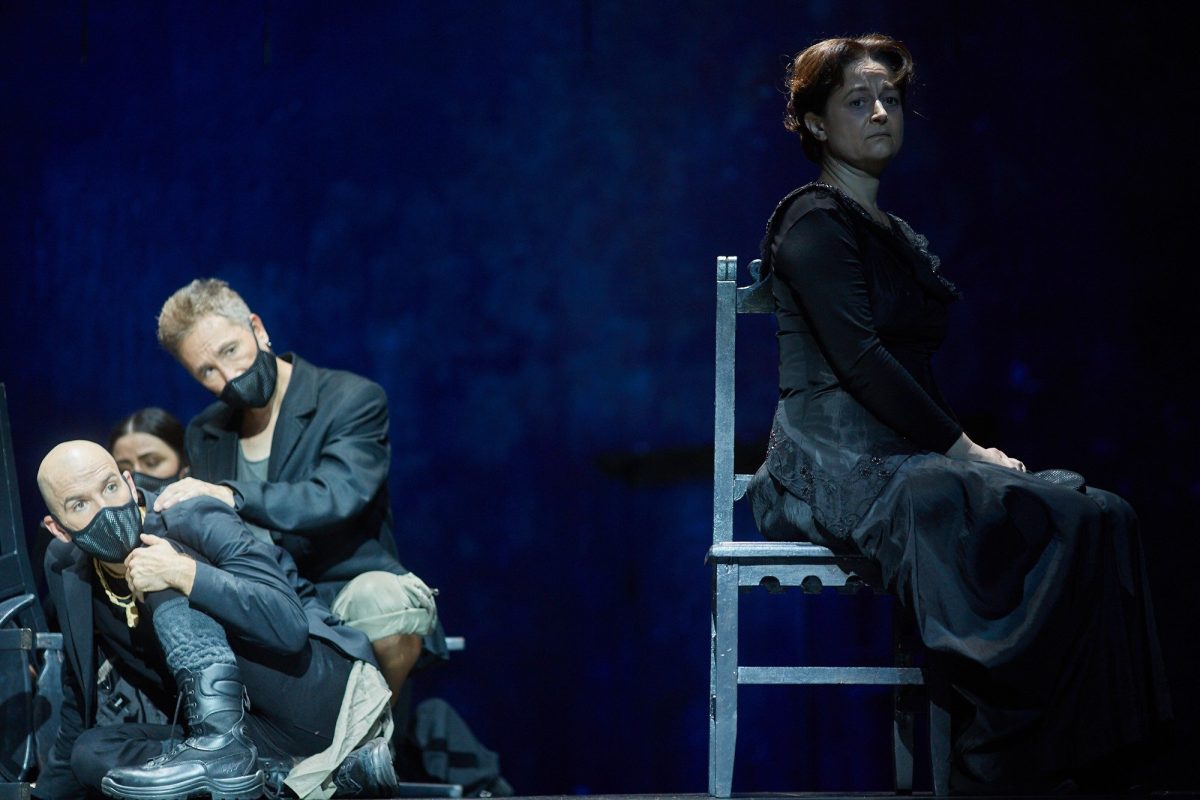
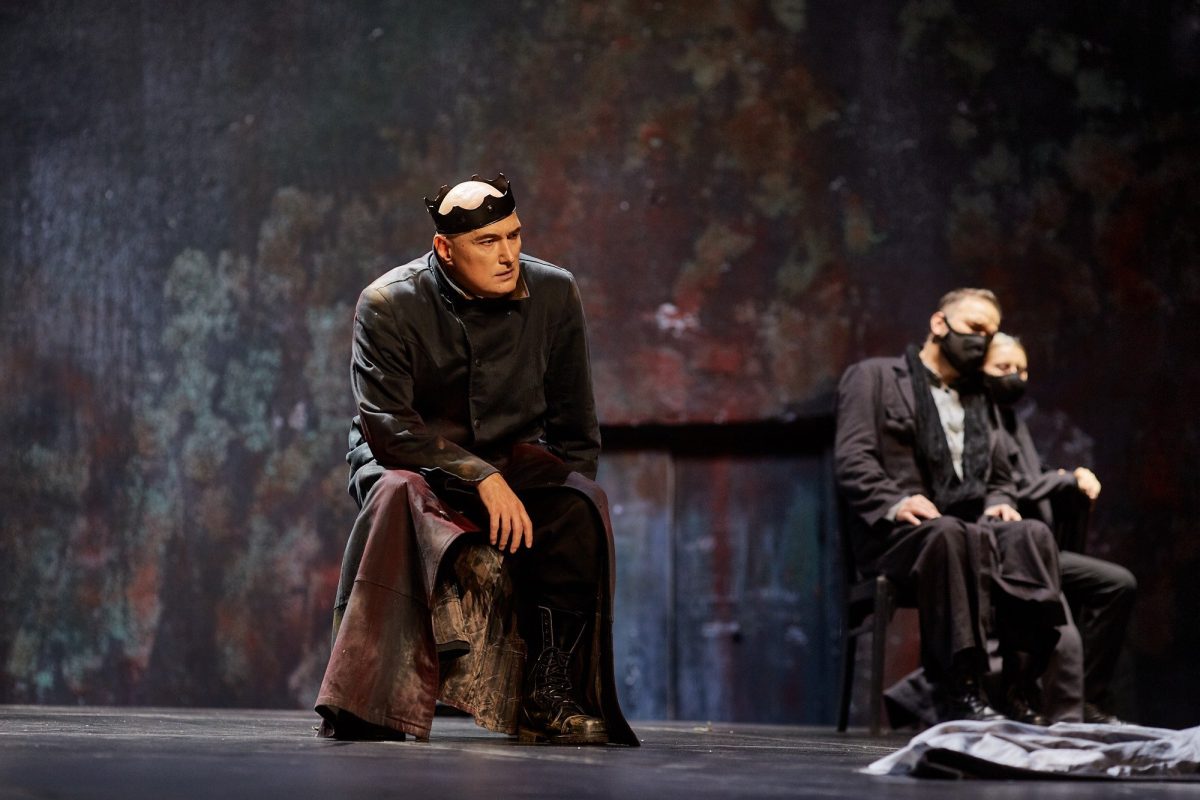
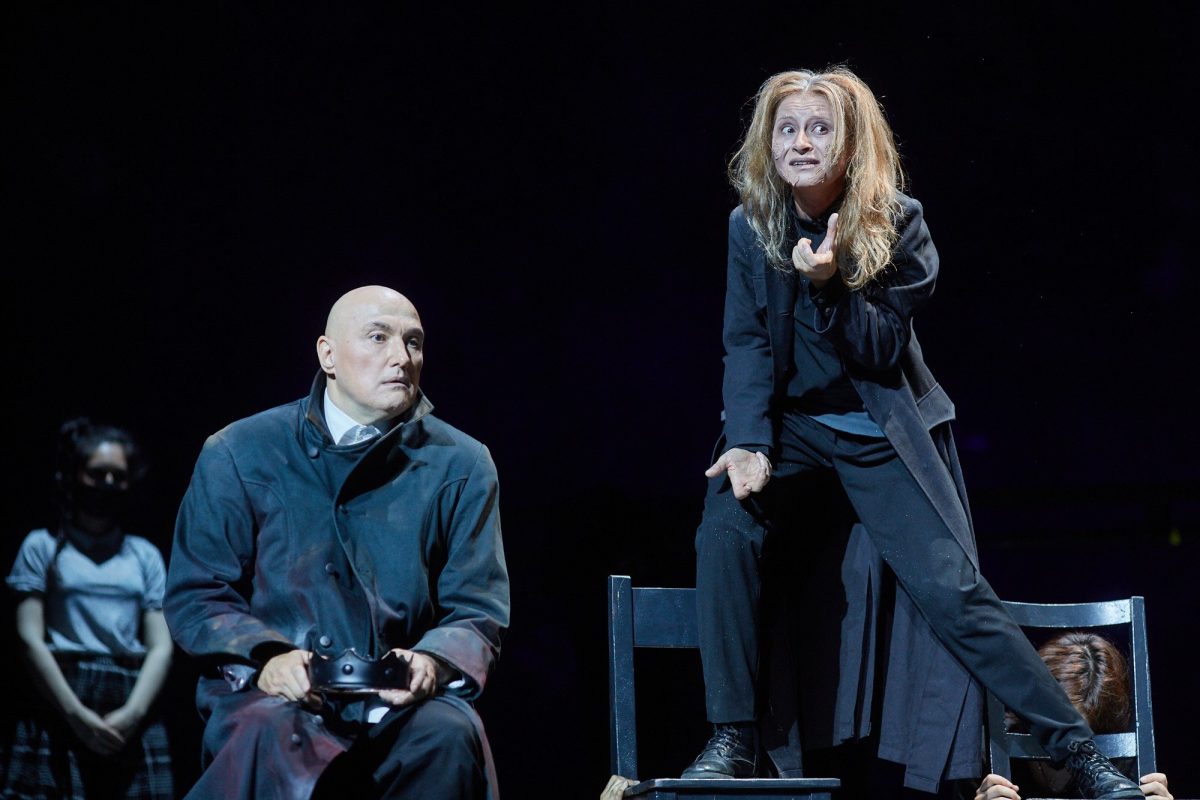
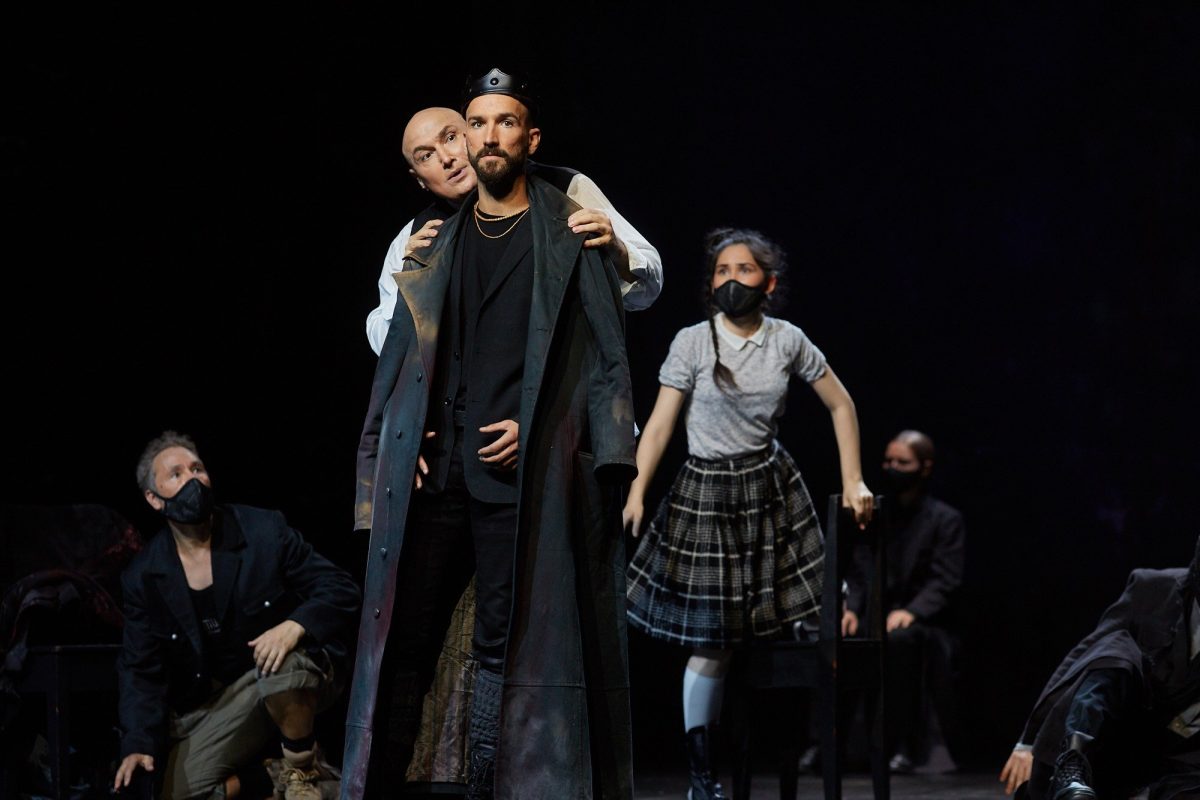
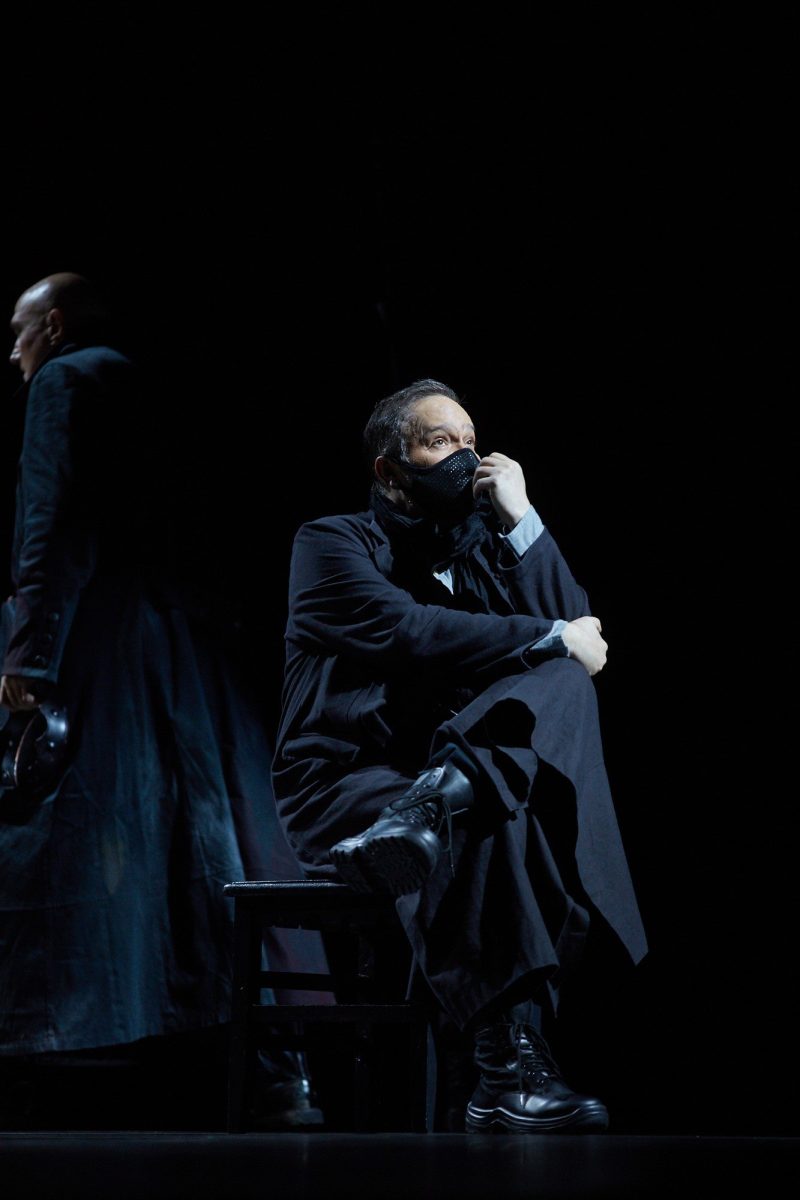
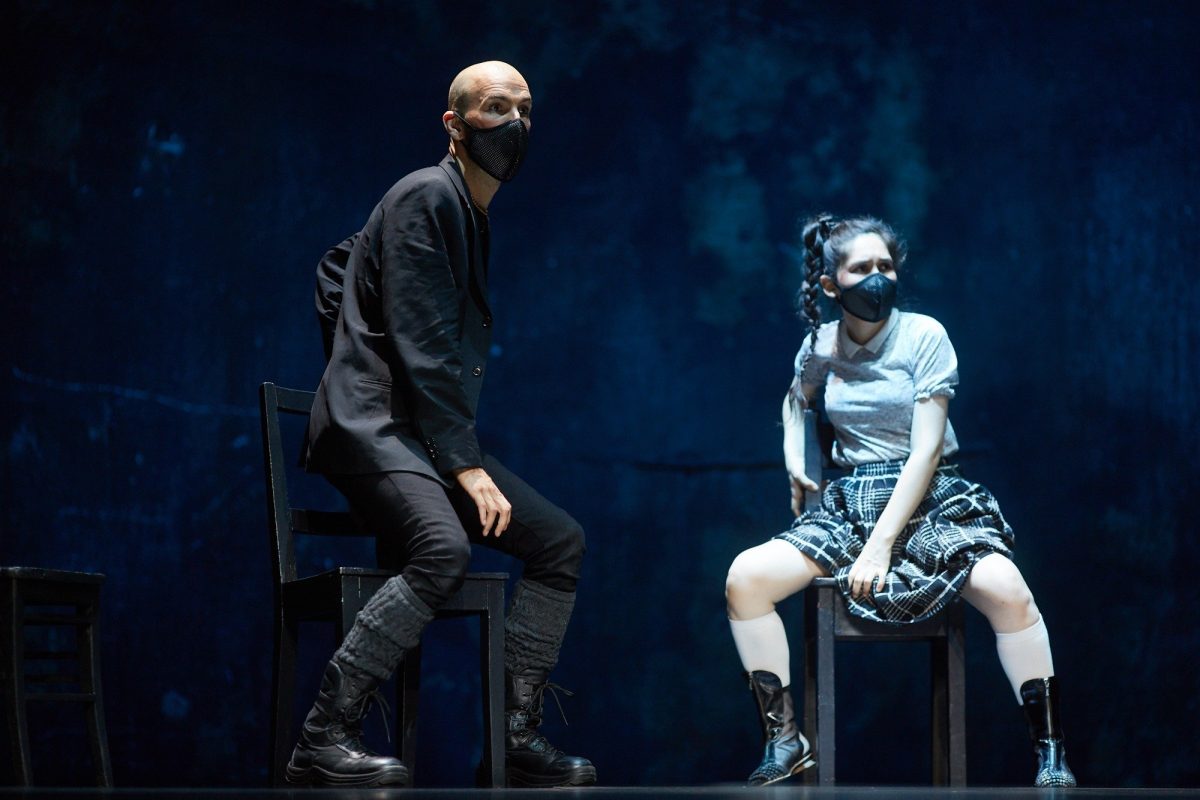
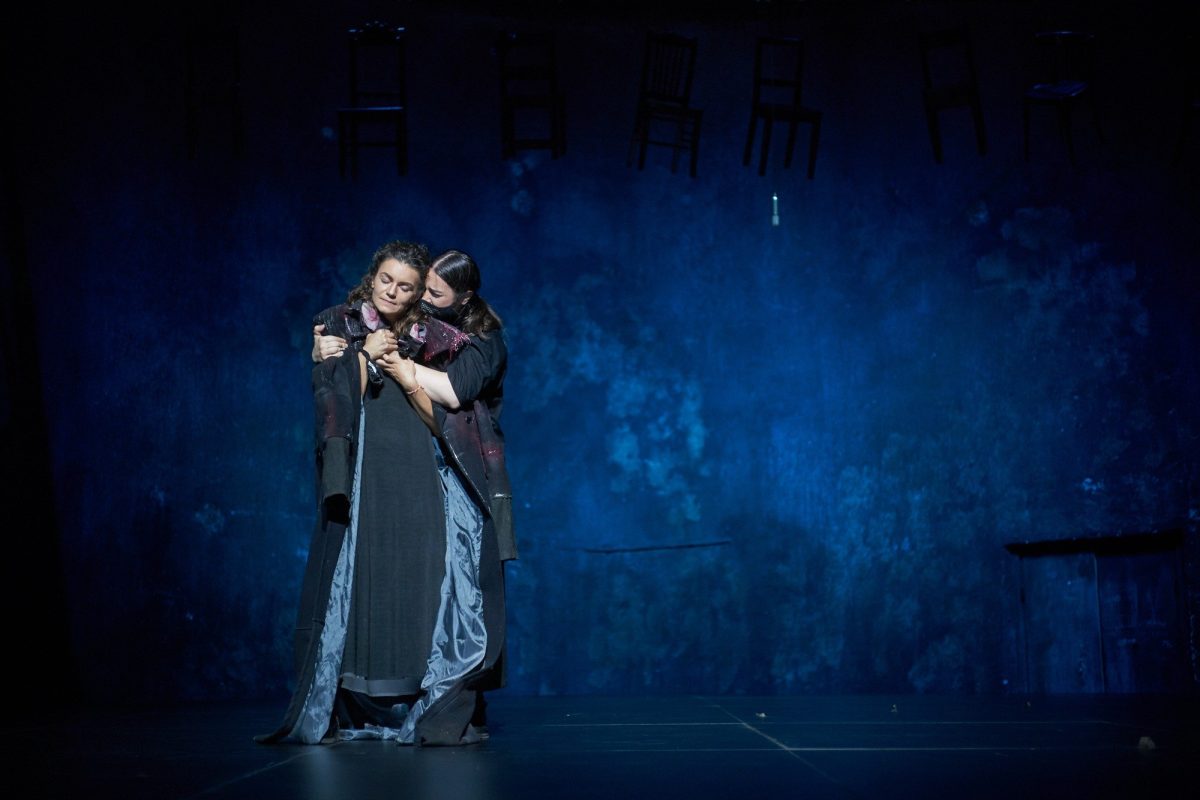
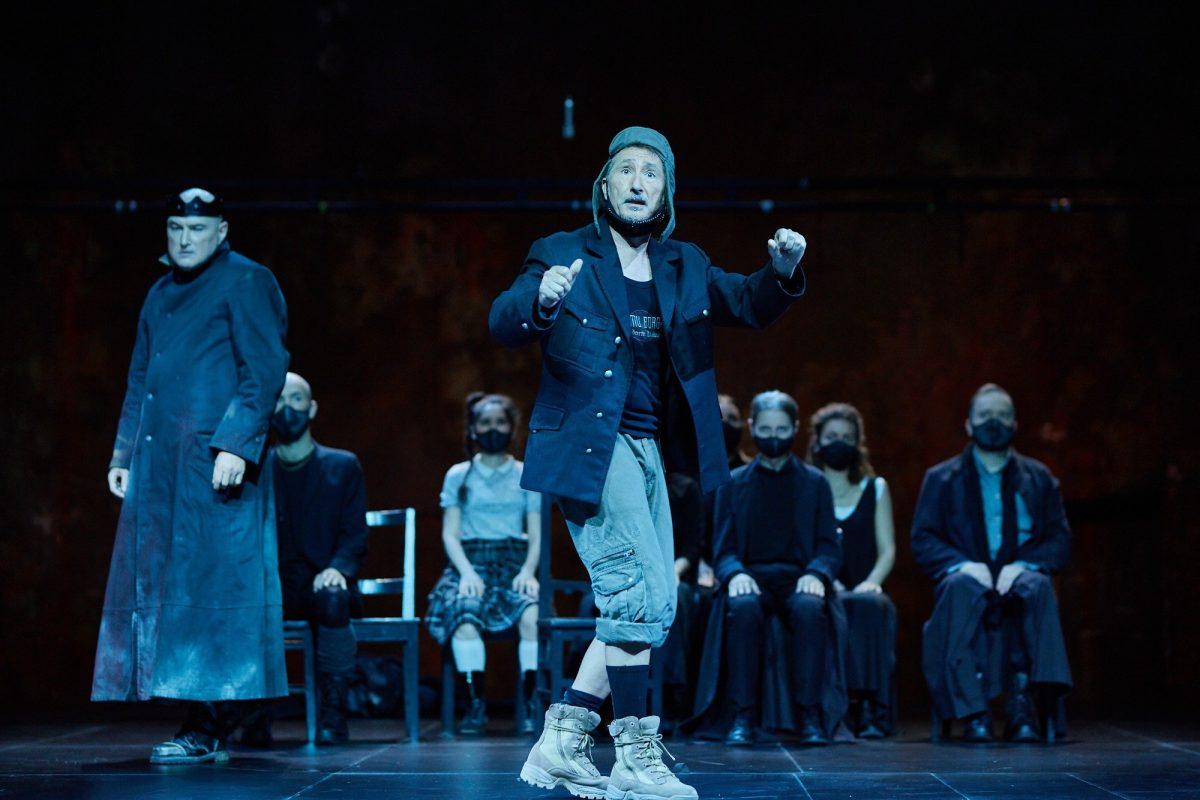
In photographs from the performance, I see the actors wearing masks. Is that a direct reference to what we are presently experiencing?
It is my epic version of theatre in the age of covid. I started rehearsals in Romania in March and when the great wave of the coronavirus hit, I packed up and left. In early July, when I was able to return, I realised that there are about 1,500 cases a day there. Society at large and the marketplace were still operating, but in rehearsal everyone was now obliged to wear a mask. How could I create a performance pretending that we’re living in another timeline, one in which everything is great? How could actors working in the midst of the coronavirus outbreak pretend that everything is fine? It was inconceivable to me that ancient tragedy, which is always contains a condensed version of the human adventure, would have nothing to say about the unprecedented moment in which this production was born. Our time is clearly reflected within this structure that comes from centuries ago. And so I thought it would be interesting for the mask to connote our present moment in time within the performance. It is, after all, a very familiar object in the world of ancient tragedy.
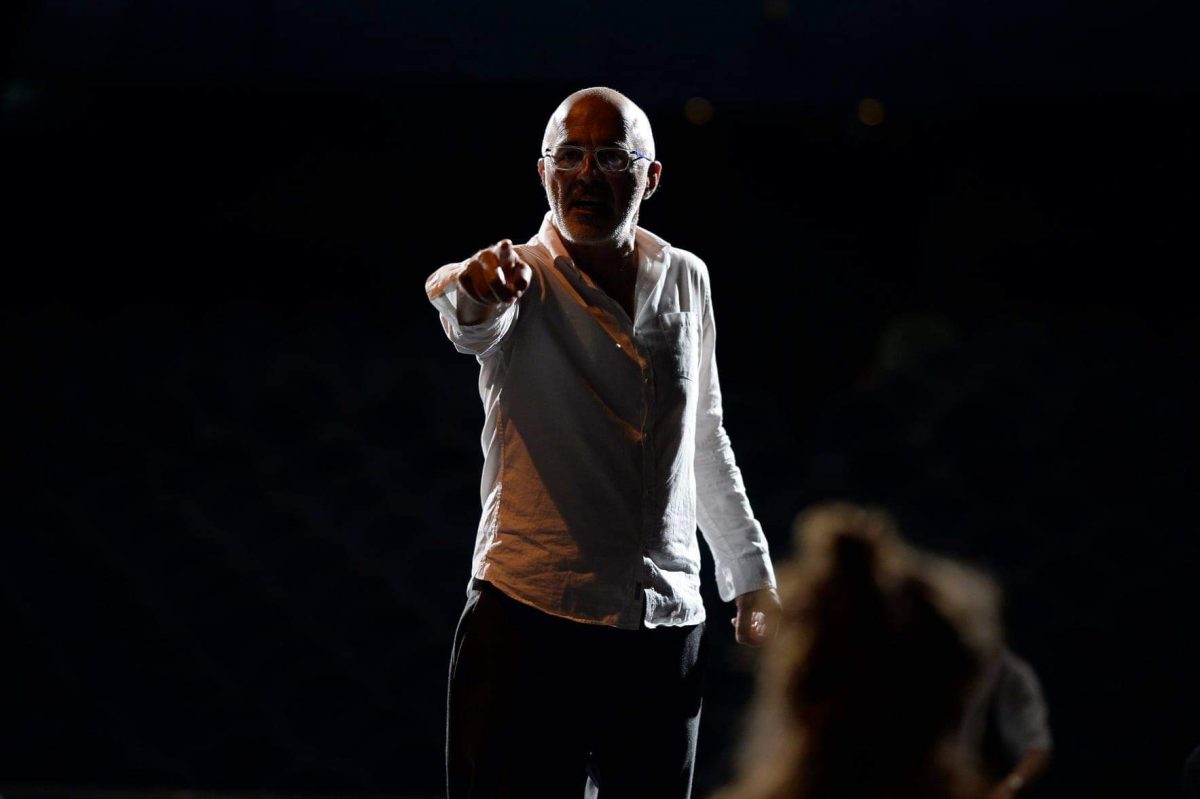
From an interview with the director. Source: www.lifo.gr
Directed by: Stathis Livathinos
Translated by: George Fotino | George Florin
Adapted by: Bogdan Ghiu
Dramaturg: Mirela Nastasache
Set — Costume Design: Maria Miu | Nina Brumusila
Music: Daniel Jinga
Cast:
Antigone: Alexandra Fasola
Ismene: Anca Androne | Silvana Negrutiu
Creon: Cornel Scripcaru
Haemon: Alin State | Constantin Dogioiu
Tiresias: Andreea Bibiri
Eurydice: Ana Ioana Macaria
Sentry: Adrian Ciobanu
First Messenger: Lucian Ifrim
Second Messenger: Maria Veronica Varlan